
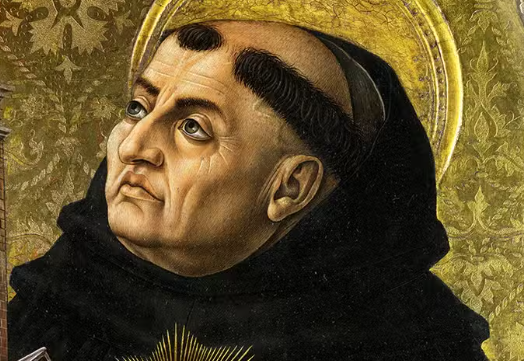
The Contributions of Saint Thomas Aquinas to Theology
Saint Thomas Aquinas is often regarded as one of the most influential theologians in Christian history. His work laid the foundations for modern Catholic thought and continues to shape theological discussions within and beyond the Church. Understanding Aquinas’ contributions can enrich our appreciation of faith, reason, and the complexities of moral theology.
The Harmony of Faith and Reason
One of Aquinas’ groundbreaking contributions is his insistence on the compatibility of faith and reason. He argued that human reason and divine revelation are not in opposition but complement each other. By employing Aristotelian philosophy, Aquinas demonstrated that rational inquiry could lead to a deeper understanding of spiritual truths. This perspective empowered believers to explore their faith more critically while maintaining their trust in divine revelation. This approach encourages modern theologians and laypeople alike to seek a synthesis between reason and religious belief in their spiritual journeys.
Moral Theology and Natural Law
Aquinas made significant strides in moral theology, particularly through his development of the concept of natural law. He proposed that moral principles are derived from our nature as human beings and can be discerned through reason. This idea emphasizes that everyone, regardless of religious affiliation, has access to moral truths because they are woven into the fabric of human existence. By articulating that natural law reflects God’s eternal law, Aquinas gave humanity a framework for ethical decision-making, leading to discussions still relevant in contemporary debates on social justice, bioethics, and human rights.
The Five Ways to Prove God’s Existence
Aquinas is well-known for his “Five Ways,” a set of arguments aimed at demonstrating the existence of God. These arguments address fundamental questions about causality, motion, and the necessity of a first cause. The Five Ways—motion, causation, contingency, degrees of perfection, and design—are accessible frameworks that invite reflection on the existence of a higher power. They serve not only as intellectual exercises but also provide a foundation for believers to articulate their faith in conversations with skeptics. The relevance of these arguments makes them a cornerstone in apologetics and remains an essential topic in philosophical theology.
In Conclusion
Saint Thomas Aquinas offers a wealth of insights that continue to resonate in contemporary theological discourse. By bridging the gap between faith and reason, advancing moral theology through natural law, and presenting compelling arguments for the existence of God, Aquinas invites us to explore and deepen our understanding of our beliefs. For those interested in theology and philosophy, delving into Aquinas’ works can be an enriching experience that broadens both the mind and the spirit. Consider reading some of his key texts to see how his timeless ideas can inform your own journey of faith.