
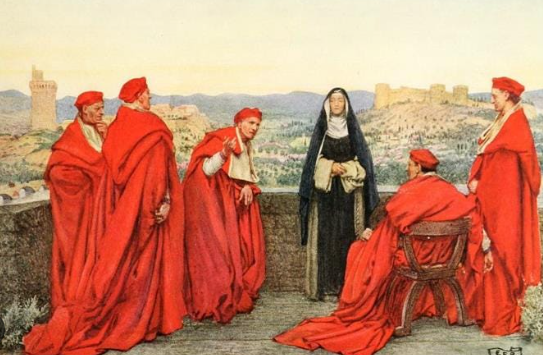
Saint Catherine of Siena and the Papacy: A Legacy of Leadership and Faith
Saint Catherine of Siena, a prominent figure in the Catholic Church, played a crucial role in the history of the papacy during the 14th century. As a mystic, theologian, and activist, her contributions significantly influenced the spiritual and political landscape of her time. Understanding her relationship with the papacy not only sheds light on her legacy but also informs our views on leadership and faith today.
The Importance of Saint Catherine’s Influence
Saint Catherine was born in 1347 in Siena, Italy, and became known for her deep spirituality and commitment to social justice. Her writings and fervent prayers drew attention to the moral crises that plagued the Church. Catherine believed that the papacy should take a more active role in addressing the needs of the faithful, especially amidst the turbulence of the Avignon Papacy. By reaching out to Pope Gregory XI, she underscored the importance of a strong, responsive leadership in times of crisis, reminding us that spiritual leaders must remain connected to their communities.
Catherine’s Advocacy for a Unified Church
During a time when the Church was divided, Catherine’s advocacy for the pope to return to Rome was impactful. She argued that a unified Church was essential for the faithful, believing that the pope must be a visible and active leader. Her passionate letters urged Pope Gregory XI to abandon Avignon and reinstated the papacy in Rome, emphasizing that the papacy’s presence was vital for influential decision-making and guidance. This bold stance exemplifies her courage and commitment to the Church, encouraging believers today to advocate for unity in their communities.
A Mystic’s Approach to Leadership
Saint Catherine’s mysticism set her apart as a leader within the Church. Her visions and spiritual experiences informed her approach to leadership, emphasizing a personal connection with God as foundational for effective guidance. She believed that true leaders must draw from their faith to inspire others. In her dialogues with God, she learned to prioritize love, humility, and service above all else. This spiritual insight allowed her to engage with both the powerful and the marginalized, a reminder that effective leadership requires compassion and empathy.
Conclusion
Saint Catherine of Siena’s relationship with the papacy is a profound example of how faith can shape leadership and influence public life. Her unwavering dedication to a unified Church and her spiritual insights continue to inspire those seeking to make a difference today. As we reflect on her legacy, we can learn valuable lessons about the importance of strong, compassionate leadership in our communities. Consider exploring more about her life and teachings; they may inspire you to take action within your own community!