
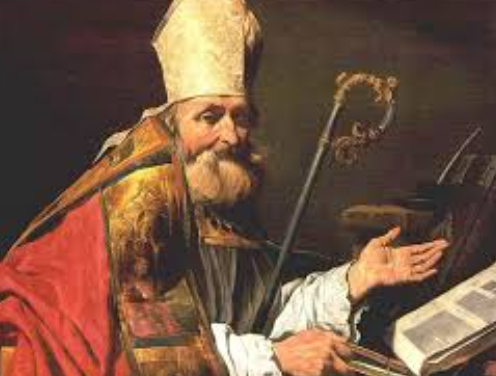
The Life and Teachings of Saint Ambrose
Saint Ambrose, one of the most influential figures in early Christianity, played a crucial role in shaping the theological and political landscape of his time. His life and teachings continue to inspire many, highlighting the importance of faith, leadership, and community values. Understanding Ambrose’s contributions not only enriches our knowledge of Church history but also offers timeless lessons applicable in today’s world.
The Early Life of Saint Ambrose
Saint Ambrose was born around 340 AD in Trier, in what is now modern-day Germany. Coming from a prominent Roman family, he received an exceptional education in law and rhetoric. His early career was rooted in civil service, where he became well-regarded for his skills in governance. However, his life took a transformative turn after a pivotal moment in 374 AD: he was elected Bishop of Milan. This unexpected appointment marked the beginning of a remarkable journey in which Ambrose would become a key defender of Christian doctrine and a voice of moral authority in society.
Theological Contributions
Ambrose is perhaps best known for his formidable theological contributions, particularly concerning the relationship between the Church and the state. He firmly believed that the Church held spiritual authority over temporal rulers, a stance that often brought him into conflict with secular leaders. His writings on the Sacraments, especially Baptism and the Eucharist, emphasized the significance of these rites in the life of a believer. Furthermore, his advocacy for the Nicene Creed established a foundation for orthodox Christian belief that continues to be relevant in contemporary discussions on faith and doctrine.
Influence on Christian Liturgy
Another remarkable aspect of Ambrose’s legacy is his significant influence on Christian liturgy and music. He is credited with the development of Ambrosian chant, a style of liturgical music that enriched the worship experience within the Church. His keen understanding of the importance of liturgical beauty and structure helped to standardize practices that are still observed today. The hymns he composed, focusing on themes of repentance and redemption, remain a part of Christian worship, underscoring Ambrose’s impact on both worship and community life within the Church.
Conclusion
Saint Ambrose’s life and teachings offer invaluable insights into faith, leadership, and the importance of community. His dedication to defending Christian values and fostering a rich liturgical tradition continues to resonate in modern times. If you are intrigued by Ambrose’s work and want to deepen your understanding of his contributions to Christianity, consider exploring his writings or attending discussions on his impact in today’s world. Embrace the journey of learning about this remarkable saint and how his teachings can inspire your own faith and community engagement.