
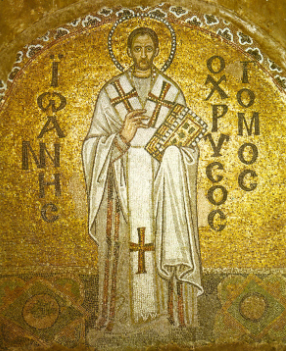
The Role of Saint John Chrysostom in Early Christianity
Saint John Chrysostom, known for his eloquent preaching and deep commitment to the Christian faith, holds a significant place in the history of Early Christianity. His teachings and actions not only shaped the Church during his time but continue to influence Christian thought and practice today. Understanding his role can shed light on the development of Christian theology and community life in a rapidly changing world.
Leadership in the Early Church
Saint John Chrysostom served as the Archbishop of Constantinople and was a prominent leader in the early Christian community. His leadership came at a time when the Church was consolidating its power amidst various theological disputes and social challenges. Through his sermons, he emphasized the importance of moral living and social justice, calling Christians to serve the impoverished and marginalized. His ability to communicate complex theological ideas in accessible language made his messages resonate with a wide audience, establishing a model for effective pastoral leadership.
Theological Contributions
One of Chrysostom’s most notable contributions is his emphasis on the importance of the Eucharist and the liturgical life of the Church. He believed that the sacramental life was essential for spiritual growth and community cohesion. His liturgical writings—including the Divine Liturgy of Saint John Chrysostom—established a framework for worship that is still used in Eastern Orthodox Churches today. Furthermore, his theological explorations and commentaries on scripture enriched Christian doctrine, addressing issues such as sin, grace, and redemption in a way that continues to be relevant for contemporary believers.
Social Justice and Advocacy
Chrysostom was also a vocal advocate for social justice. He critiqued the wealth and corruption of the elite, encouraging Christians to prioritize social responsibility. His outspoken nature often led him to confront powerful figures, including emperors, emphasizing the need for faith to translate into action. He believed that true Christian faith should manifest in love and compassion for one’s neighbor, particularly the poor and destitute. This commitment to social justice not only inspired his contemporaries but has also laid the groundwork for modern Christian activism.
In conclusion, Saint John Chrysostom’s impact on Early Christianity transcends his time. His teachings on church leadership, theological foundations, and social justice continue to resonate today. If you’re interested in learning more about his life and contributions—or exploring the broader context of Early Christianity—there are many resources available. Dive into the rich history of this remarkable saint and see how his legacy can inspire your own faith journey.