
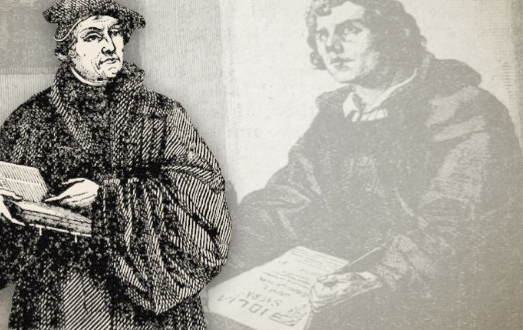
The Life and Legacy of Martin Luther
Martin Luther’s impact on Christianity and society is profound and lasting. Born in 1483, Luther sparked the Reformation, a movement that reshaped the religious landscape of Europe. Understanding his life and legacy is crucial, as it not only informs our appreciation of modern Christianity but also offers lessons on courage, conviction, and change.
The Early Life of Martin Luther
Martin Luther was born in Eisleben, Germany, to a hardworking family; his father was a miner. Early on, he displayed a thirst for knowledge, leading him to study at the University of Erfurt, where he earned a bachelor’s degree and later a master’s. However, an event in 1505 changed his life forever: during a thunderstorm, he vowed to become a monk if he survived. True to his word, he joined the Augustinian monastery, where he began his deep exploration of faith and scripture.
Luther’s Theological Breakthroughs
Luther’s theological journey took a pivotal turn when he grappled with the question of salvation. While teaching at the University of Wittenberg, he began to develop his ideas that contradicted the Catholic Church’s teachings. In 1517, he famously nailed his Ninety-Five Theses to the church door, challenging practices like indulgences. His call for reform resonated widely and ignited debates that spread across Europe, promoting ideas of faith, grace, and the authority of scripture. This radical shift not only led to the formation of Protestantism but also encouraged individuals to question established authority.
The Enduring Legacy of Martin Luther
Martin Luther’s legacy extends far beyond his Lifetime, continuing to influence religious, social, and political thought today. His translation of the Bible into German made scripture accessible to the common person, fostering literacy and personal interpretation of faith. Lutheranism, one of the major branches of Christianity, still thrives and emphasizes justification by faith alone. Additionally, Luther’s insistence on challenging authority helped to pave the way for broader movements toward freedom of expression and individual rights.
Luther’s teachings have inspired countless movements for social justice, as they underscore the importance of both faith and action in addressing societal issues.
Conclusion
Martin Luther’s life was marked by a relentless quest for truth and justice that reshaped Christianity as we know it today. His courage to challenge established norms offers valuable lessons in bravery and conviction that still resonate in contemporary society. To deepen your understanding of Martin Luther and his impact, consider exploring his writings or studying the ongoing implications of his work in today’s world.