
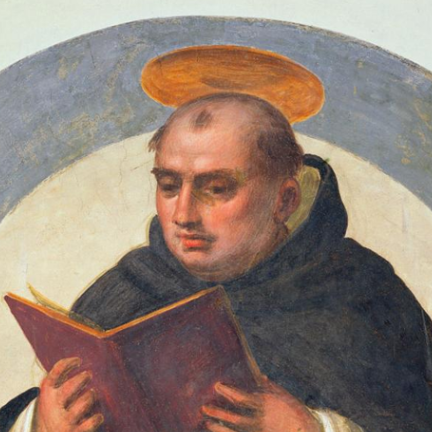
Saint Thomas Aquinas: Philosophical Insights
Saint Thomas Aquinas is a towering figure in Western philosophy and theology, whose works continue to resonate in discussions about ethics, metaphysics, and faith. His contributions offer valuable insights that can help us navigate contemporary moral dilemmas and deepen our understanding of the relationship between reason and faith. Let’s explore some key areas of Aquinas’s philosophy that remain relevant today.
The Harmony of Faith and Reason
One of Aquinas’s most significant contributions to philosophy is his belief in the compatibility of faith and reason. He argued that both are essential for understanding truth, with faith providing insights that reason alone cannot reach. Aquinas famously said, “Grace does not destroy nature but perfects it.” This perspective encourages individuals to embrace both their intellectual pursuits and spiritual beliefs, allowing for a more holistic approach to life. By recognizing the value of both realms, we can enhance our understanding of ourselves and the world around us.
Natural Law and Moral Ethics
Aquinas’s concept of natural law is another cornerstone of his philosophy. He posited that human beings possess an innate understanding of right and wrong, accessible through reason. This natural law serves as a moral compass, helping us discern ethical behavior. According to Aquinas, actions that align with natural law promote human flourishing and well-being. Today, this idea is particularly relevant in discussions about social justice and human rights, as it underscores the notion that ethical considerations should be rooted in our shared human experience. By reflecting on natural law, individuals can foster a more just society, guided by principles that honor our common humanity.
The Pursuit of Happiness
Central to Aquinas’s philosophy is his understanding of happiness, which he viewed as the ultimate goal of human life. He distinguished between fleeting pleasures and lasting fulfillment, asserting that true happiness comes from living a virtuous life in accordance with God’s will. Aquinas emphasized the importance of virtues such as wisdom, courage, and temperance as essential to achieving genuine contentment. In a world filled with distractions and superficial goals, his insights remind us to seek meaning and purpose beyond immediate gratification. Embracing this pursuit can lead to a more fulfilling life and a deeper connection with others.
Conclusion
Saint Thomas Aquinas’s philosophical insights invite us to reflect on the interplay between faith and reason, the essence of morality, and the true nature of happiness. Exploring his work in these areas not only enriches our understanding of philosophy but also equips us to face contemporary challenges with wisdom and compassion. If you’re intrigued by Aquinas’s thoughts, consider diving deeper into his writings and exploring how they can inform your life today.