
Unpacking Maundy Thursday: The Significance Behind the Last Supper
Maundy Thursday holds a special place in the Christian calendar as it marks the Last Supper of Jesus with his disciples before his crucifixion. Understanding its significance can deepen our appreciation for the traditions and rituals that surround it. This article explores the key themes of Maundy Thursday, shedding light on its importance in both historical and modern contexts.
The Last Supper: A Symbol of Sacrifice
The Last Supper is not just a moment in time; it encapsulates the core of Christian belief. During this meal, Jesus shared bread and wine with his disciples, symbolizing his body and blood. This act established the foundations of the Eucharist or Holy Communion, a sacrament celebrated by millions today. The symbolism extends beyond mere ritual; it represents Jesus’ willingness to sacrifice himself for humanity’s sins. By reflecting on the Last Supper, believers are reminded of the depth of love and service that Jesus embodied, encouraging them to live out these values in their own lives.
The Act of Foot Washing: Embracing Humility
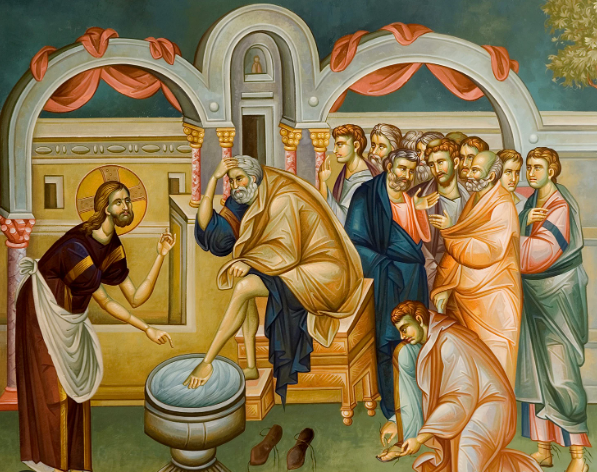
Another powerful aspect of Maundy Thursday is the tradition of foot washing, derived from Jesus’ actions during the Last Supper. In a profound demonstration of humility and servitude, Jesus washed the feet of his disciples, an act typically reserved for servants. This gesture challenges societal norms and encourages believers to adopt a mindset of humility and selflessness. By engaging in acts of service, individuals are invited to reflect on their relationships with others, fostering a spirit of community and connection. This tradition serves as a poignant reminder that true leadership is rooted in serving others.
Themes of Love and Betrayal
Maundy Thursday also explores themes of love and betrayal, as Jesus foresees Judas’ impending betrayal. During the Last Supper, Jesus openly acknowledges the betrayal while still expressing love and compassion. This complexity serves as a reminder that human relationships can be fraught with challenges, yet love can prevail even in difficult circumstances. For many, this theme prompts introspection about their own relationships and how they can navigate times of conflict or hurt. The dual messages of love and betrayal interwoven in this narrative encourage believers to foster forgiveness and understanding in their interactions with others.
As Maundy Thursday approaches each year, it serves as a significant reminder of Jesus’ journey toward the cross and the deep love that underpins Christian faith. By examining the Last Supper, the act of foot washing, and the themes of love and betrayal, we can gain valuable insights into our own lives and faith practices. Encouraging reflection and action, Maundy Thursday invites us all to think about how we can embody the spirit of humility, love, and service in our daily lives.
In conclusion, Maundy Thursday offers rich opportunities for reflection and growth. Whether participating in a foot-washing ceremony, sharing a meal with loved ones, or contemplating the deeper meanings of sacrifice and service, this day encourages believers and seekers alike to delve into the transformative power of love. Take a moment to explore these themes further in your own life and consider how you can apply them in meaningful ways.