
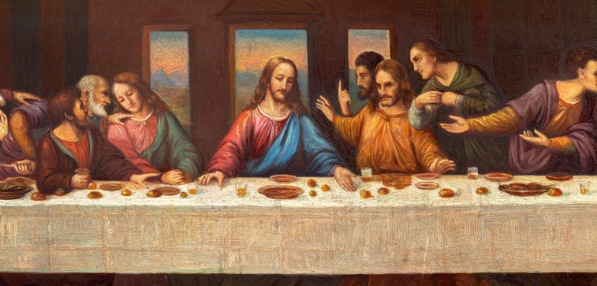
Breaking Bread: Understanding the Biblical Significance of The Last Supper
The Last Supper is one of the most iconic events in the Christian tradition, symbolizing themes of sacrifice, community, and love. By exploring its significance, we can gain deeper insights into both our faith and the importance of fellowship in our lives today.
The Setting and Context of The Last Supper
The Last Supper took place in an upper room in Jerusalem during Passover, a time when Jews commemorated their liberation from Egypt. Jesus gathered His twelve disciples to share one final meal before His crucifixion. This setting amplifies the emotional weight of the event, as they broke bread together in a moment filled with tension and anticipation. Understanding the historical context allows us to appreciate the layers of meaning in the actions and words exchanged that night.
The Symbolism of Bread and Wine
During the meal, Jesus broke bread and shared wine with His disciples, stating, “This is my body” and “This is my blood.” These simple elements took on profound symbolism, representing His impending sacrifice. The bread signifies nourishment and unity among believers, while the wine represents the new covenant between God and humanity. This act established the Eucharist, a central ritual in Christian practice that emphasizes communion with Christ and one another, reinforcing the idea that faith is not just individual but communal.
The Lessons Learned from The Last Supper
The Last Supper teaches us invaluable lessons about love, forgiveness, and humility. Jesus’ act of washing His disciples’ feet exemplifies servant leadership, encouraging us to put others before ourselves. Furthermore, it highlights the importance of forgiveness, as He broke bread with Judas, who would soon betray Him. This moment encourages us to embrace compassion and understanding, even in challenging relationships. The challenges we face in our own lives can often be softened by remembering the lessons of love and sacrifice that emerged from this remarkable gathering.
Conclusion
The Last Supper is rich with meaning and continues to resonate in our lives today. By reflecting on its significance, we can better understand our faith and the relationships that bind us together. If you want to delve deeper into this topic or explore how it applies to your life, consider reaching out to your community or engaging with your local church. The journey of understanding is always more rewarding when shared with others.