
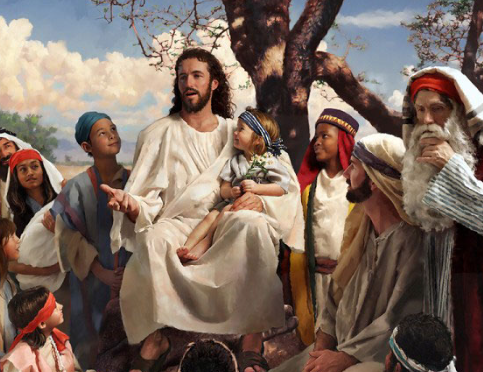
The life of Jesus Christ remains one of the most significant and widely discussed subjects in history. From his humble beginnings to his teachings, miracles, crucifixion, and resurrection, his story continues to shape faith, ethics, culture, and personal reflection across the world.
1. Early Life and Teachings
Jesus Christ was born around 4 B.C. in Bethlehem to Mary and Joseph, a family associated with Nazareth. Much of his early life is only briefly described in scripture, though the Gospel of Luke notes that he grew in wisdom and stature. Christian tradition often connects his upbringing with humility, discipline, and deep engagement with Jewish faith and community life.
Around the age of thirty, Jesus began his public ministry. His teachings focused on love, compassion, forgiveness, humility, and spiritual renewal. Through parables such as the Good Samaritan, he challenged social divisions and encouraged people to show mercy beyond cultural or religious boundaries.
- Explore the historical context of first-century Judea
- Reflect on the modern relevance of Jesus’s parables
- Discuss compassion across social and cultural lines
- Join interfaith conversations centered on service and empathy
2. Miracles and Impactful Acts
Jesus’s ministry was marked by miracles that reflected both divine authority and deep compassion. He healed the sick, fed large crowds, calmed storms, and restored hope to people experiencing suffering or exclusion. These acts were not only demonstrations of power but also expressions of mercy.
His interactions with marginalized groups were especially significant. Jesus reached out to lepers, tax collectors, women, the poor, and others often pushed aside by society. In doing so, he challenged rigid social expectations and emphasized the dignity of every person.
- Study major miracles and their theological meaning
- Reflect on how compassion appears in everyday actions
- Examine how Jesus’s acts challenged social norms
- Practice kindness through community service
3. Crucifixion and Resurrection
The crucifixion of Jesus was the dramatic culmination of his earthly life. Condemned under Roman authority, he was executed publicly in a manner associated with humiliation and suffering. For Christians, this event represents sacrifice, redemption, and the depth of divine love for humanity.
The resurrection, believed by Christians to have occurred three days after his death, is central to Christian faith. Celebrated at Easter, it symbolizes hope, renewal, and victory over sin and death. The resurrection also became the foundation for the early Christian movement, inspiring followers to spread his teachings despite persecution.
- Explore the theological meaning of sacrifice and redemption
- Learn how Easter is observed across different cultures
- Reflect on themes of hope and renewal
- Participate in community events focused on compassion and faith
The life of Jesus Christ is more than a historical or religious narrative; it continues to offer lessons about love, courage, mercy, and moral responsibility. His teachings invite reflection not only on belief, but also on how people treat one another in daily life.
In churches, gardens, museums, and sacred spaces, a jesus sculpture often serves as a visible reminder of these themes—representing sacrifice, compassion, and the enduring influence of his life and message.