
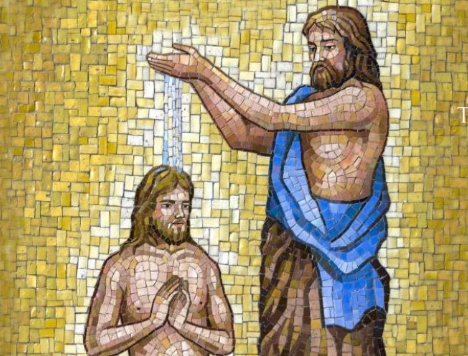
The baptism of Jesus is a pivotal event in Christian theology, marking the beginning of his public ministry. This act, rich in symbolism and significance, provides insights not only into Jesus’ identity but also sets an example for believers today.
1. The Context of Jesus’ Baptism
Before diving into the details, it is essential to understand the context in which Jesus was baptized. Historically, Jesus was baptized by John the Baptist in the Jordan River, an act surrounded by crowds seeking spiritual renewal. John’s ministry was a prophetic call to repentance, and he baptized individuals to symbolize their commitment to turning away from sin and returning to God.
The location itself, the Jordan River, holds deep significance in Jewish history, representing a point of entry into the Promised Land. By choosing this particular place, Jesus tied his ministry to the entire Jewish tradition, signaling a new covenant that was about to unfold through his teachings and actions.
-
- Research the historical significance of the Jordan River.
-
- Explore the role of John the Baptist in Judaism.
-
- Reflect on the concept of repentance and its importance in spiritual journeys.
-
- Consider the symbolism of water in various faith traditions.
2. The Significance of Jesus’ Baptism
Jesus’ baptism is not merely a ritual; it carries profound implications about his identity as the Son of God. When Jesus emerged from the water, the heavens opened, and the Spirit of God descended like a dove, accompanied by a voice affirming Jesus as God’s beloved Son. This moment serves as a powerful declaration of Jesus’ divine nature and mission on Earth.
Moreover, Jesus’ baptism exemplifies humility and obedience, illustrating that even he underwent this rite as a means of fulfilling all righteousness. This act signifies the importance of baptism not just as a symbol of faith, but as a vital step in one’s spiritual journey. Jesus set an example by embracing baptism, encouraging others to follow suit.
-
- Reflect on the implications of Jesus’ identity as the Son of God.
-
- Consider how this event impacts your understanding of baptism.
-
- Explore ways to incorporate humility and obedience into your life.
-
- Engage in discussions about the significance of rites of passage in different cultures.
3. The Call to Baptism for Believers
The call to baptism extended beyond Jesus and John; it represents a fundamental practice for Christians worldwide. Many denominations view baptism as a crucial step in the believer’s journey towards faith and community membership. This step symbolizes not only the washing away of sin but also the commitment to live a life that reflects Christ’s teachings.
When individuals choose to be baptized, they publicly declare their faith and aspire to emulate Jesus’ example. It serves as a communal experience, uniting believers within the church and within the broader Christian community. For new believers, understanding this significance can be transformative, leading to deeper spiritual growth and engagement.
-
- Consider your own spiritual journey and what baptism means to you.
-
- Seek out a local faith community that practices baptism.
-
- Engage with mentors or leaders about your questions surrounding baptism.
-
- Be open about your faith journey in community settings.
4. The Impact of Baptism on Christian Ethics
Baptism influences Christian ethics and morality in a profound way. It calls believers to a lifestyle that reflects the teachings of Jesus. This transformative experience encourages individuals to live in accordance with values such as love, compassion, and humility. Understanding one’s baptismal commitment can lead to a more intentional way of living.
Furthermore, the idea of dying to sin and rising to a new life through baptism aligns with the core Christian belief in redemption. This notion pushes believers to re-evaluate their actions and choices, fostering a commitment to serve others and uphold community values. This shift instills a sense of responsibility towards both personal growth and service to others.
-
- Reflect on how your values align with your faith commitments.
-
- Engage in community service to live out your baptismal promise.
-
- Discuss the impact of baptism on ethical decisions with peers.
-
- Attend workshops or retreats focused on Christian living and ethics.
The baptism of Jesus is not merely an event recorded in history; it is a powerful symbol that continues to resonate with believers today. By understanding its context, significance, and implications, individuals can deepen their faith and embrace the transformative power of this sacred act. As you continue your spiritual journey, consider how baptism may play a role in your life and guide your actions in the pursuit of living out your faith.