
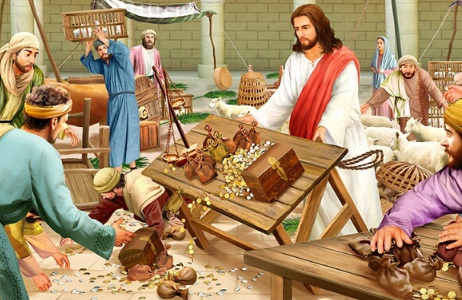
The act of Jesus cleansing the temple is a profound moment in the New Testament, often symbolizing a push against corruption and a call for spiritual renewal. This event invites us to reflect on purity and authenticity in our own lives. Let’s explore the significance, context, and lessons we can learn from this powerful episode.
1. The Context of the Cleansing
When Jesus entered the temple in Jerusalem, it was during the Passover festival, a time when the population would swell as pilgrims came to make sacrifices. The temple, designed to be a holy place of worship, had unfortunately become a marketplace where commerce overshadowed spiritual significance. This corruption reflected a deviation from the sacred purpose of worship and spiritual connection.
Understanding the temple’s role in Jewish culture helps shed light on why Jesus was compelled to act. The temple was not merely a physical structure; it represented the dwelling place of God among His people. Therefore, its desecration for profit became a serious affront to faith and community, prompting Jesus to intervene and restore its sanctity.
-
- Research the historical context of the temple during Jesus’ time.
-
- Explore the significance of Passover in Jewish tradition.
-
- Investigate the changes in temple practices over time.
-
- Reflect on how commercialization affects spiritual spaces today.
2. The Act of Cleansing
Jesus’ actions in the temple were not impulsive but rather a calculated response to the injustices occurring there. He overturned the tables of the money changers and drove out those selling animals for sacrifice. This dramatic gesture was more than just a physical act; it was a symbolic cleansing of the spiritual corruption that had infiltrated the temple.
The phrase “My house shall be called a house of prayer, but you make it a den of robbers” encapsulates Jesus’ anger and purpose. He sought to return the focus of worship back to prayer and sincerity, not profit and exploitation. The cleansing serves as a wake-up call, urging believers to evaluate their own spaces of worship and community for similar corruption.
-
- Consider how you can promote honesty and integrity in community settings.
-
- Evaluate the impact of commercialization in your spiritual practices.
-
- Create a personal space for prayer that reflects sincerity.
-
- Encourage discussions on maintaining the sanctity of places of worship.
3. The Lessons for Today
The cleansing of the temple is rich with lessons applicable in contemporary settings. At its core, it challenges us to examine our motivations in spiritual practices. Are we engaging in activities out of genuine belief, or have we become complacent, allowing distractions to take precedence over our faith? Reflecting on this can lead to profound personal and communal transformation.
Additionally, this story prompts us to act against injustice and corruption wherever we see it. Just as Jesus did not passively accept the degradation of the temple’s sanctity, we should take a stand against ethical and moral irregularities in our own lives—within our communities, workplaces, and even within ourselves. This can kindle a renewed commitment to live out our faith authentically.
-
- Engage in conversations that examine personal integrity in faith.
-
- Identify areas in your life where distractions might be undermining your spirituality.
-
- Take a stand against social injustices in your community.
-
- Practice mindfulness in your daily routines to promote spiritual sincerity.
In conclusion, the cleansing of the temple is a powerful reminder of the need for renewal and integrity in our spiritual lives. It encourages each of us to closely examine both our spaces of worship and our individual motivations. As you reflect on this lesson, consider the next steps you can take toward cultivating a more sincere and meaningful spiritual practice.