
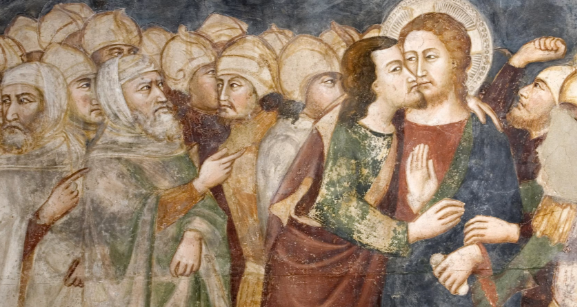
The betrayal of Jesus by Judas Iscariot is one of the most talked-about events in Christian teachings. This act of treachery has elicited countless discussions about loyalty, trust, and morality throughout history.
1. The Context of the Betrayal
Judas Iscariot was one of the twelve disciples of Jesus, chosen to follow Him during His ministry. As a trusted member of the group, Judas had close access to Jesus and discipleship, which made his eventual betrayal even more shocking. The geopolitical and social climate of Judea during the time also plays a significant role, as tensions with the Roman Empire were high, causing various factions to vie for power, including those in religious authority.
Understanding the context helps to appreciate why Judas made such a drastic decision. Many expected the Messiah to be a political leader who would overthrow Roman rule, and Judas may have felt disillusioned by Jesus’ teachings. This discontent likely contributed to his choice to betray Jesus for thirty pieces of silver, a significant amount for a laborer in that era.
-
- Research the historical background of Judea during Jesus’ ministry.
-
- Learn about the lives of the other disciples for a broader understanding.
-
- Consider the political and social pressures of the time.
-
- Explore the expectations of the Messiah in Jewish culture.
2. The Act of Betrayal
The actual act of betrayal occurred during the Last Supper, a critical moment where Jesus shared his final meal with His disciples. Judas exited the gathering amid discussions about loyalty and sacrifice, proceeding to meet the religious authorities who sought to arrest Jesus. The act was not just a simple betrayal; it was a calculated move that involved a kiss to identify Jesus among the disciples, which highlights the depth of betrayal from a close friend.
This moment was steeped in foreboding, as Jesus had already predicted that one of His own would betray Him. The significance of using a kiss—as a symbol of friendship and affection—adds a painful layer to the act; it is both an intimate gesture and a profound act of treachery. This duality of the act resonates through centuries, underscoring the complexity of human relationships and the nature of betrayal.
-
- Reflect on the significance of the Last Supper.
-
- Examine the emotional impact on the other disciples present.
-
- Discuss how betrayal can occur in seemingly close relationships.
-
- Consider the implications of recognized symbols (like a kiss) in difficult moments.
3. Consequences of Judas’s Actions
The aftermath of Judas’s betrayal was both immediate and far-reaching. After Jesus was captured and subsequently crucified, Judas found himself overwhelmed by guilt and remorse. He attempted to return the thirty pieces of silver and even declared that he had betrayed innocent blood. The gravity of his actions drove him to the tragic decision to take his own life, marking a permanent end to his remorse.
The consequences also extended far into the future of Christian theology. Judas is often viewed as the archetype of betrayal and treachery, serving as a cautionary tale for those who value loyalty. His name has been synonymous with disloyalty, creating a complex dialogue around forgiveness, repentance, and the human condition. The story invites individuals to examine their own relationships and the importance of trust.
-
- Consider the repercussions of betrayal on both sides.
-
- Reflect on the concept of forgiveness in personal relationships.
-
- Engage in discussions about the impact of guilt and remorse.
-
- Explore the idea of fatalism versus free will in Judas’s actions.
In conclusion, the betrayal of Jesus by Judas Iscariot serves as a powerful lesson in the complexity of human relationships. It challenges us to consider the consequences of our actions and the profound impacts they may have on others. Reflecting on this story can inspire individuals to cultivate deeper trust in their own lives and to tread carefully in their relationships.