
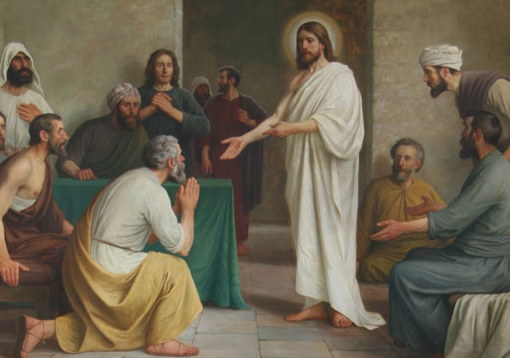
The post-resurrection appearances of Jesus to His disciples carry profound significance both spiritually and historically. These encounters not only reaffirmed His resurrection but also provided essential teachings and support to His followers during a time of uncertainty. Let’s explore the different aspects and teachings represented in these divine interactions.
1. The First Encounter
One of the most notable appearances of Jesus occurred on the evening of His resurrection when He appeared to His disciples in a locked room. The atmosphere was tense and filled with fear as the disciples were hiding from the authorities. Jesus greeted them with the words, “Peace be with you,” instantly calming their fears and bringing a sense of reassurance. This encounter not only highlights His resurrection but also signifies the importance of peace in times of turmoil.
During this meeting, Jesus showed His wounds to the disciples, proving that He was indeed the same person who had been crucified. This physical evidence was crucial for the disciples, who had difficulty believing in His resurrection. It served as a critical moment that transformed their fear into faith, igniting a fire of evangelism and commitment to spreading His teachings.
-
- Reflect on moments of personal transformation.
-
- Practice welcoming peace during stressful times.
-
- Encourage friends to share their doubts openly.
-
- Consider how visible scars or struggles can lead to deeper connections.
2. Jesus Inviting Thomas to Believe
Another significant appearance happened when Jesus specifically addressed Thomas, a disciple who had doubts about the resurrection. Thomas declared he would not believe until he saw Jesus’ wounds firsthand. In a subsequent encounter, Jesus appeared and directly invited Thomas to touch His wounds, proclaiming, “Do not be afraid, but believe.” This moment emphasizes the importance of belief and overcoming doubts.
This interaction is crucial as it signifies that Jesus is understanding and approachable, encouraging the expression of doubt as part of spiritual growth. Thomas’ declaration of faith, “My Lord and my God,” showcases the transition from skepticism to belief when confronted with truth. This moment teaches us that it’s okay to have questions and that exploring them can lead to a stronger faith.
-
- Encourage open conversations about doubts in faith.
-
- Reflect on personal moments of questioning and discovery.
-
- Share stories of how you or others overcame skepticism.
-
- Practice being patient and compassionate towards others’ doubts.
3. The Great Commission
After revealing Himself multiple times, Jesus concluded His appearances with what is known as the Great Commission. This took place in Galilee, where Jesus instructed the disciples to spread the Gospel to all nations, effectively expanding their mission. He promised that He would be with them always, instilling a sense of purpose and direction as they were set to embark on their new roles as evangelists.
This commissioning is vital as it emphasizes the call for believers to spread Jesus’ teachings throughout the world. It serves as a reminder that the message of love, forgiveness, and hope transcends cultural and geographical barriers. It challenges individuals to assess their roles in their communities and to consider how they can share this transformative message in their own lives.
-
- Identify your unique way of sharing your faith.
-
- Find local opportunities for community service or outreach.
-
- Engage in conversations that foster understanding and connection.
-
- Encourage others to express their views on faith and purpose.
4. Building Community in Faith
The resurrection appearances of Jesus also underscore the importance of community among believers. After His resurrection, Jesus often gathered with His followers, reinforcing the need for fellowship and support among those who share faith. This practice creates a strong foundation for a supportive community where individuals can grow together spiritually.
In a modern context, this can translate into intentional efforts to connect with others in our faith journeys. Be it through formal gatherings like church services or informal meetups, building community helps strengthen understanding, resolve doubts, and cultivate relationships that inspire ministry and impact local lives positively.
-
- Participate in local church groups or Bible studies.
-
- Host gatherings to discuss faith and community challenges.
-
- Find ways to mentor or connect with someone younger in faith.
-
- Encourage inclusivity and welcome different perspectives in discussions.
In conclusion, the post-resurrection appearances of Jesus offer enriching lessons about faith, community, and purpose. Engaging with these stories in thoughtful ways can inspire deeper connections and understanding within our own lives. Consider taking time to reflect on how these teachings can translate into actionable steps within your community and personal faith journey.