
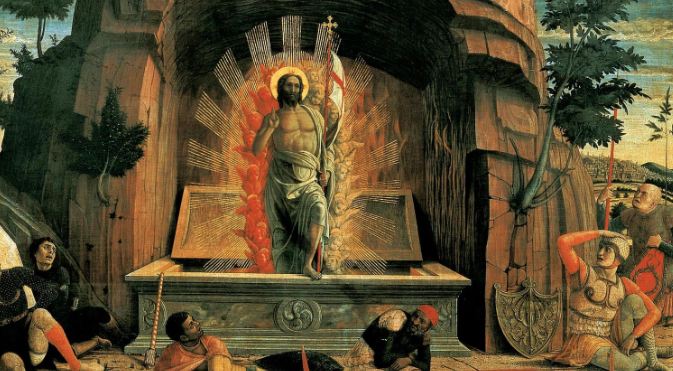
The resurrection of Jesus is one of the most significant events in Christian theology, serving as a cornerstone for Christian belief and faith. This post aims to explore some of the compelling evidence that supports the claim of Jesus’ resurrection from the dead.
1. Historical Documentation
One of the most convincing pieces of evidence for the resurrection is the extensive historical documentation found in the New Testament and other early Christian writings. The Gospels—Matthew, Mark, Luke, and John—provide detailed accounts of Jesus’ life, death, and resurrection. These texts were penned within a generation of the events they describe, adding to their credibility. Additionally, writings from early church fathers and non-Christian historians such as Josephus and Tacitus corroborate the accounts of Jesus’ followers claiming to have seen him alive after his crucifixion.
Moreover, the consistency among the various accounts of the resurrection adds weight to their validity. While each Gospel offers unique details, the core narrative remains the same across the texts, suggesting a common source of truth. Given the rise of Christianity in a historical context filled with opposition and skepticism, the willingness of early Christians to suffer persecution and even death for their belief in the resurrection further indicates that they truly believed it to have occurred.
-
- Read primary sources such as the Gospels for firsthand accounts.
-
- Explore writings from early church fathers for additional insights.
-
- Investigate historical interpretations from reputable historical scholars.
-
- Engage in discussions or join study groups focusing on resurrection narratives.
2. The Empty Tomb
A significant piece of evidence for the resurrection is the discovery of the empty tomb. According to the Gospels, after Jesus was crucified, a group of women, including Mary Magdalene, went to his tomb and found it empty. This account is crucial because the Jewish leaders and Romans had every incentive to produce Jesus’ body to discredit the resurrection claims. Instead, the tomb was found empty, and even hostile sources at the time did not deny its emptiness, focusing instead on suggesting that the disciples had stolen the body.
The significance of the empty tomb extends beyond just its physical absence. It serves as a powerful symbol of hope and transformation. If Jesus was still dead, then the claims about his divinity would lose their validity, yet the absence of his body led to an explosive spread of the idea that he had indeed risen. This event galvanized the early followers of Jesus, empowering them to spread the message across the known world despite facing severe hardships.
-
- Examine archaeological findings related to the empty tomb.
-
- Compare different Gospel accounts regarding the discovery of the tomb.
-
- Consider theories about why the tomb was empty and evaluate their credibility.
-
- Participate in guided archaeological tours that focus on biblical history.
3. Eyewitness Testimonies
Another compelling source of evidence for the resurrection centers on the eyewitness testimonies of those who claimed to have seen Jesus alive after his death. According to 1 Corinthians 15:6, Jesus appeared to more than five hundred people at one time. Such a large number of witnesses is significant; it lends credibility to the claims that these encounters were not mere hallucinations or fabrications. The disciples also transformed after the resurrection, demonstrating remarkable boldness in spreading the message, which further solidifies their conviction.
The variety of appearances—at different times, to different people, and in various places—further strengthens the notion that these experiences were genuine. When ordinary people see something extraordinary, it alters their lives drastically. In the case of the disciples, many went on to become martyrs for their faith, suggesting a transformative experience that echoes the sincerity of their beliefs regarding the resurrection.
-
- Research accounts of different eyewitness testimonies in Scripture.
-
- Look for expert analyses of the psychological and emotional impacts on witnesses.
-
- Reflect on the implications of their transformations post-resurrection.
-
- Discuss with others how personal experiences shape belief.
In conclusion, the evidence for the resurrection of Jesus is robust and multifaceted, encompassing historical documentation, the mystery of the empty tomb, and powerful eyewitness testimonies. If you’re interested in exploring these claims further, consider joining a local study group or reading historical perspectives that can provide deeper insights into this transformative event in human history.