
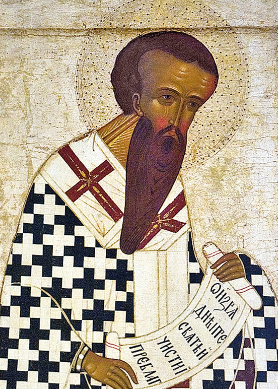
How Saint Basil Promoted Monastic Communities
Saint Basil the Great, a prominent figure in the early Christian Church, is often regarded as a key architect of monasticism in the Eastern Orthodox tradition. His teachings and practices not only shaped the foundation of monastic communities but also helped foster a sense of spirituality and community during a time of significant change in the early Church. Understanding how Saint Basil influenced these communities can enlighten our perspective on the importance of monastic life today.
The Rule of Saint Basil
One of Saint Basil’s most notable contributions to monasticism is the establishment of the “Rule of Saint Basil.” This set of guidelines emphasized communal living, prayer, and service. Unlike earlier solitary monastic practices, Basil’s rule encouraged monks to live together in harmony, sharing their resources and spiritual practices. This communal aspect not only strengthened their faith but also built a supportive environment where monks could develop their spiritual lives collectively. The Rule continues to be a guiding text for many monastic communities, emphasizing the significance of community over isolation.
Focus on Education and Charity
Saint Basil believed that monastic life should not just be about personal sanctity but also about giving back to society. He encouraged monks to engage in education and charitable works, which brought them into contact with the surrounding communities. This outreach helped to break down barriers, allowing monks to serve as spiritual leaders and educators in civic life. By integrating education and charity into their daily routines, Basil transformed monastic communities into centers of learning and assistance, playing an essential role in the social fabric of their time.
Promotion of Spiritual Practices
In addition to guidelines for communal living and outreach, Saint Basil also emphasized the importance of various spiritual practices within monastic communities. He advocated for regular prayer, fasting, and the study of Scripture, fostering a deep spiritual discipline among monks. These practices helped create a structured environment conducive to spiritual growth and community bonding. By prioritizing these elements, Saint Basil cultivated a culture where monks could thrive in their faith journey and support one another in their spiritual quests.
In conclusion, Saint Basil’s impact on monastic communities was profound and far-reaching. Through his Rule, focus on education and charity, and promotion of spiritual practices, he laid the groundwork for a vibrant monastic tradition that continues to inspire today. Exploring his teachings further can deepen our understanding of community, service, and the spiritual life. Whether you’re drawn to the world of monasticism or simply wish to enrich your own spiritual journey, consider diving deeper into the legacy of Saint Basil.