
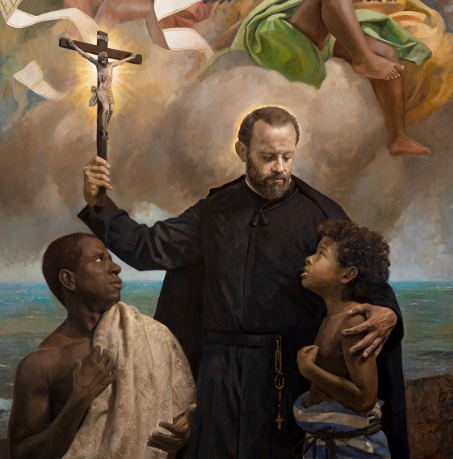
How Saint Peter Claver Advocated for Slaves
The legacy of Saint Peter Claver is a powerful testament to compassion and advocacy against the atrocities of slavery. In an era when the dehumanization of enslaved people was rampant, his efforts to care for and defend the rights of African slaves offer vital lessons for compassion and justice today. This article explores how Claver dedicated his life to serving the enslaved and stands as an enduring symbol of humanity’s potential for good.
Compassionate Care and Service
Saint Peter Claver, a Spanish Jesuit priest, arrived in Cartagena, Colombia, in the early 17th century, a bustling port city where enslaved Africans were brought in large numbers. Claver’s initial response to the plight of these individuals was one of deep compassion. He committed himself to caring for the physical and spiritual needs of the enslaved, offering them comfort, food, and medical care. His motto, “I am the slave of the slaves,” encapsulated his dedication to uplifting those who were so cruelly marginalized. Claver’s approach was rooted in the belief that every individual deserved dignity and respect, regardless of their background.
Advocacy for Their Rights
Beyond physical care, Claver took significant steps to advocate for the rights of enslaved individuals. He worked tirelessly to raise awareness about the inhumane conditions they endured, speaking out against the brutal treatment they faced. Claver’s efforts included persuading ship owners and traders to treat the enslaved more humanely and encouraging the local community to view them not as property but as human beings deserving of love and respect. His activism was crucial in fostering a culture of empathy, challenging the dominant views of his time, and planting seeds for change in society’s perception of enslaved people.
Spiritual Support and Empowerment
In addition to his advocacy and care, Saint Peter Claver provided spiritual support to the enslaved, recognizing that faith was a powerful source of hope. He administered religious sacraments, including baptism, to thousands of enslaved Africans, affirming their worth and humanity in a society that sought to deny them both. Claver believed in the transformative power of faith and sought to empower the individuals he served, helping them find agency even in the realities of oppression. His actions served not only to nourish their spirits but also to affirm their identities as valuable members of the human family.
Conclusion
Saint Peter Claver’s life and work remind us of the importance of compassion and advocacy in the face of injustice. His unwavering commitment to the enslaved can inspire us to look for ways to serve others in our communities today, reminding us that every act of kindness counts, no matter how small. To learn more about Saint Peter Claver and his incredible legacy, consider exploring additional resources or visiting local museums dedicated to social justice and human rights. Let’s carry forward his spirit of love and advocacy in our lives today.