
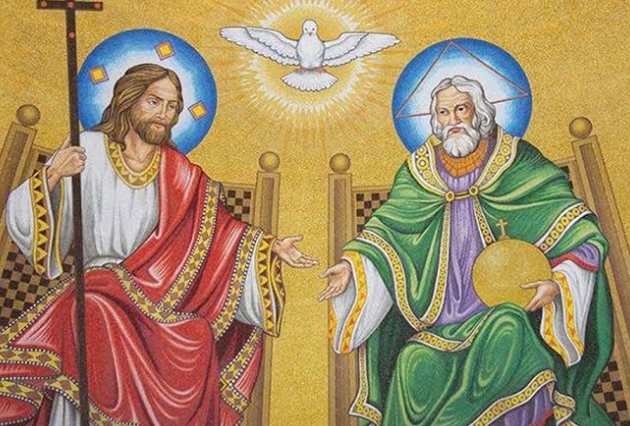
The concept of Jesus sitting at the right hand of God is deeply rooted in Christian theology and carries profound significance for believers. This position symbolizes authority, power, and a unique relationship with the Father. Understanding this doctrine can enrich one’s faith and provide a sense of purpose and direction in life.
1. The Biblical Basis for Jesus’s Position
The position of Jesus at the right hand of God is mentioned in several key verses throughout the New Testament. For instance, in Mark 16:19, it states, “So then, after the Lord had spoken to them, He was received up into heaven and sat down at the right hand of God.” This passage emphasizes that Jesus completed His earthly ministry and took His rightful place of authority. Additionally, Hebrews 1:3 speaks of Jesus as “the radiance of God’s glory and the exact representation of His being,” affirming that His position signifies supremacy over all creation.
This doctrine reflects not only Jesus’s divine authority but also His role as an intercessor for humanity. Romans 8:34 asks, “Who is he that condemns? Christ Jesus, who died—more than that, who was raised to life—is at the right hand of God and is also interceding for us.” This highlights His continuous advocacy for believers, reinforcing the idea that His presence in heaven is not just a status but a dynamic role in the lives of Christians.
-
- Study key biblical passages about Jesus’s ascension.
-
- Reflect on how His authority affects your daily life.
-
- Consider the implications of intercession in your prayer life.
-
- Discuss these concepts with others for deeper understanding.
2. Theological Implications of Jesus’s Position
Jesus being at the right hand of God holds significant theological implications, particularly regarding His nature and relationship with the Father. This position indicates that Jesus is co-equal with God, affirming the doctrine of the Trinity. In John 10:30, Jesus states, “I and the Father are one,” which showcases the unity and mutual glorification present in the Godhead. Understanding this relationship helps believers grasp the complexities of faith and divinity.
Moreover, the assertion that Jesus is seated also signifies the completion of His redemptive work. By sitting down, He implies that His ministry of atonement is fulfilled, as seen in John 19:30, where He declares, “It is finished.” This concept encourages believers to rest in the sufficiency of Christ’s work, knowing there is nothing left to be done to earn salvation. The seat of Jesus is not just a throne but a reminder of grace and completeness.
-
- Explore the doctrine of the Trinity for a deeper understanding.
-
- Study the implications of Jesus’s completed work on the cross.
-
- Incorporate teachings about His authority into your prayer life.
-
- Engage in discussions about the theological aspects of His position.
3. Practical Applications for Modern Believers
Understanding that Jesus is at the right hand of God can lead to significant changes in how believers live their everyday lives. For example, trusting in His authority encourages Christians to pursue lives marked by confidence and mission. When believers recognize that Jesus intercedes for them, it can transform their approach to challenges and decisions. They can confidently bring their burdens before Him, knowing He hears and acts on their behalf.
Additionally, the assurance that Jesus is sovereign offers a profound peace amid life’s uncertainties. Knowing that He holds the universe in His hands can empower individuals to face disappointments, fears, and stress. This perspective enables believers to embrace hope, fostering resilience and compassion for others. A mindset centered around Christ’s authority inspires individuals to become agents of change and love in their communities.
-
- Develop a personal prayer routine emphasizing His intercession.
-
- Reflect on how His authority influences your decision-making.
-
- Find opportunities to share this message of hope with others.
-
- Practice resilience by leaning on prayer in challenging times.
The concept of Jesus at the right hand of God is not merely a theological idea but a transformative reality for believers. By grasping its implications and applications, Christians can live more purposefully. Take the time to explore these truths in your life and allow them to reshape your faith journey.