
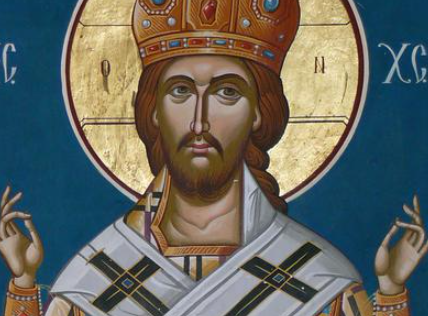
Jesus Christ is often referred to as our High Priest, a role that carries profound theological significance within the Christian faith. Understanding this concept not only deepens our faith but also enriches our spiritual lives as we reflect on the immense love and sacrifice embodied by Jesus.
1. The Role of Jesus as High Priest
In the Old Testament, the role of the priest was crucial for mediating between God and humanity. Jesus, however, represents a fulfillment of that role in a way that transcends traditional sacrificial systems. As our High Priest, He offers not only sacrificial atonement but also a continuous connection to God, exemplifying the perfect blend of divine authority and compassionate understanding.
This role redefines the approach to worship and confession in Christianity. Unlike the earthly priests who had to repeatedly offer sacrifices for their own sins and the sins of the people, Jesus’s sacrifice was singular and complete. This means that believers can approach God with confidence, knowing that their High Priest understands their struggles and stands before God on their behalf.
-
- Reflect on the significance of Jesus’s sacrifice in your life.
-
- Read passages from Hebrews 4:14-16 to understand His role better.
-
- Consider how you can approach God with confidence in your prayer life.
-
- Discuss the concept of Jesus as High Priest with a friend or in a study group.
2. Jesus’s Priesthood Compared to the Levitical Priesthood
The Levitical priesthood was established under the Mosaic Law and involved priests descending from the tribe of Levi. Their duties included performing sacrifices and maintaining the tabernacle, but they were limited by their human condition, often needing purification for their own sins. Jesus’s priesthood, however, is described as eternal and superior, situated in the order of Melchizedek, who was both king and priest.
This shift highlights the idea that Jesus not only fulfills the role of a priest but also elevates it. His life and ministry make it possible for believers to experience a direct relationship with God, eliminating the need for intermediaries. His unique combination of role as priest, sacrifice, and king underscores how He fulfills and surpasses the previous system.
-
- Study the differences between the Levitical priesthood and Christ’s priesthood.
-
- Engage in discussions about why this shift matters for contemporary believers.
-
- Identify aspects of your faith that draw from this understanding of priesthood.
-
- Reflect on how this knowledge changes your view of church leadership.
3. Practical Implications of Christ’s High Priesthood
The implications of Jesus acting as our High Priest are vast and transformative. Knowing that He continually intercedes for us brings immense comfort and reassurance to our daily lives. Whether in times of trouble or joy, His presence offers a sense of peace that transcends circumstances.
Furthermore, this knowledge invites believers to take on a role of priesthood in their own right, engaging in prayer and service to others in their communities. Each individual can participate in a divine partnership, interceding for others and providing spiritual support. This responsibility encourages active faith and deepens community connections.
-
- Make prayer a central part of your daily routine, remembering the intercessory role of Jesus.
-
- Offer to pray for someone in need, embodying the priestly role.
-
- Evaluate the ways you can serve and support your community.
-
- Engage in conversations about faith within your friend circle for mutual growth.
In conclusion, Jesus Christ as High Priest reshapes our understanding of mediation between God and humanity. With this profound relationship, you are encouraged to deepen your faith, contemplate your role in your community, and draw closer to a God who understands you intimately. Consider exploring these themes in your study of Scripture and communal life.