
Jesus Christ is one of the most influential figures in history and the central figure of Christianity. His life, teachings, death, and resurrection have shaped religious belief, ethical thought, art, culture, and social movements for centuries. Understanding his biography offers insight into both Christian faith and his enduring impact on the world.
1. Early Life and Background
Jesus was born in Bethlehem, Judea, around 4–6 B.C. According to Christian tradition, his mother Mary conceived him miraculously, and his birth was announced as a moment of great spiritual significance. He grew up in Nazareth within a Jewish family, surrounded by the customs, scriptures, and religious practices of first-century Judaism.
Although little is recorded about his childhood, one important episode describes Jesus at age twelve in the temple in Jerusalem, speaking with religious teachers. This moment suggests an early awareness of his spiritual identity and mission.
- Research the historical context of Judea
- Study Jewish customs during the first century
- Explore Bethlehem and Nazareth in biblical history
- Reflect on the religious significance of Jesus’s birth
2. Ministry and Teachings
Around the age of thirty, Jesus began his public ministry, traveling through Galilee, Judea, and surrounding regions. He taught through parables, sermons, and personal encounters, emphasizing love, mercy, humility, forgiveness, and faith.
His ministry also included acts of healing and compassion. The Sermon on the Mount remains one of his most significant teachings, presenting moral principles such as the Beatitudes and calling people toward righteousness, peace, and sincere devotion.
- Read the New Testament accounts of Jesus’s teachings
- Reflect on the meaning of his parables
- Discuss how his messages apply to modern life
- Explore historical sites connected to his ministry
3. Death and Resurrection
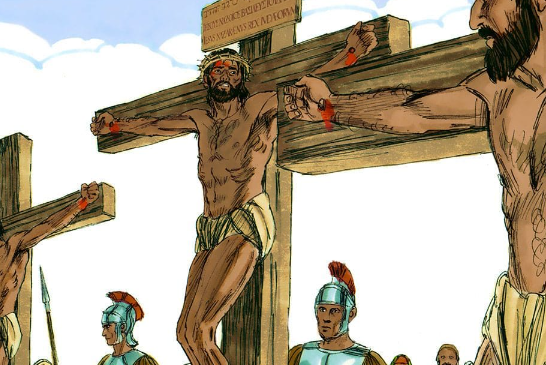
Jesus’s crucifixion, traditionally dated around A.D. 30–33, is central to Christian theology. He was arrested, tried, and executed by crucifixion under Roman authority. Christians understand this event as an act of sacrifice through which Jesus offered redemption and reconciliation with God.
According to Christian belief, Jesus rose from the dead three days after his burial. The resurrection, celebrated at Easter, represents victory over sin and death and forms the foundation of Christian faith. After appearing to his disciples, Jesus ascended to heaven, commissioning them to continue his teachings.
- Study the historical setting of Jesus’s trial and crucifixion
- Explore theological interpretations of the resurrection
- Learn about Easter traditions across Christian communities
- Read works by theologians on redemption and salvation
4. Legacy and Influence
The influence of Jesus extends far beyond religious doctrine. His teachings have shaped moral philosophy, literature, visual art, music, humanitarian work, and movements for justice and compassion. Concepts such as forgiveness, service, humility, and love for one’s neighbor continue to guide individuals and communities worldwide.
His image also remains central in sacred art and devotional spaces. In churches, museums, and places of reflection, a Jesus statue often serves as a visual reminder of sacrifice, compassion, and spiritual hope.
- Engage in service inspired by Jesus’s teachings
- Explore his influence on art, literature, and ethics
- Participate in interfaith dialogue about his legacy
- Consider how his values relate to current social issues
The life of Jesus Christ continues to inspire faith, reflection, and action. His biography is not only a religious narrative but also a lasting source of moral and cultural influence, encouraging people to pursue love, compassion, humility, and meaningful service.