
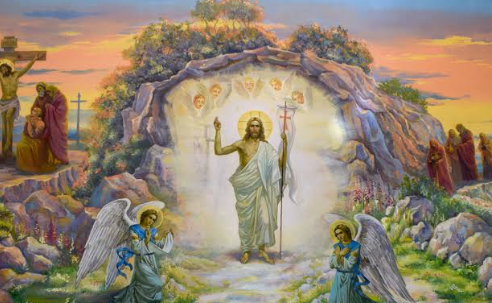
The death and resurrection of Jesus Christ are central events in Christian theology that have profound implications for believers around the world. Understanding these events not only deepens one’s faith but also illustrates a fundamental narrative of sacrifice and hope.
1. The Crucifixion: A Moment of Sacrifice
The crucifixion of Jesus is a pivotal moment in Christian belief, symbolizing the ultimate sacrifice for humanity’s sins. According to the New Testament, Jesus was arrested, tried, and condemned to death by crucifixion, a brutal method of execution. During this time, significant prophecies from the Old Testament were fulfilled, highlighting the depth of his suffering and the reason behind it: to offer redemption to humankind.
The moment of his death is marked by several historical and spiritual significance. The sky darkened, the temple veil was torn, and an earthquake occurred, each acting as powerful symbols of the magnitude of this event. For many Christians, the crucifixion represents not just death, but the beginning of hope, showing that love can conquer even the grave.
-
- Reflect on the significance of sacrifice in your own life.
-
- Read the accounts of the crucifixion in the Gospels (Matthew, Mark, Luke, and John).
-
- Attend a Good Friday service to remember the event.
-
- Discuss with fellow believers the meaning of sacrifice.
2. The Resurrection: Hope Renewed
The resurrection of Jesus is celebrated as a triumph over death, establishing the cornerstone of Christian faith. On the third day after his crucifixion, Jesus rose from the dead, and this event holds unprecedented implications for believers. It signifies not just Jesus’ victory but also provides a promise of eternal life for those who believe in Him, marking a transformative event that alters human destiny.
-
- Celebrate Easter with friends and family to symbolize the joy of resurrection.
-
- Share your personal testimony of faith with others.
-
- Engage in community service as a way to express love and hope.
-
- Participate in a sunrise service to celebrate the morning of resurrection.
3. Theological Implications: Faith and Redemption
The death and resurrection of Jesus highlight various theological themes, including sin, redemption, and grace. These events portray the idea that human beings are inherently flawed, but through faith in Jesus Christ, they can receive forgiveness and redemption. The concept of grace—unearned favor from God—is another critical aspect that stems from these events. Believers are invited to embrace this grace, which is both liberating and empowering.
Understanding these theological implications can lead to personal growth and a deeper relationship with God. It invites followers to cultivate a faith that not only acknowledges past wrongs but also looks forward with hope and purpose. Additionally, the call to share this message encourages an active faith practice where believers can guide others toward understanding and accepting this profound truth.
-
- Reflect on your understanding of grace in your personal life.
-
- Engage in daily scripture reading to deepen your understanding of these themes.
-
- Participate in group discussions or Bible study sessions.
-
- Document your journey of faith in a journal.
The death and resurrection of Jesus Christ offer believers a rich tapestry of meaning and understanding. By exploring these pivotal events, individuals can find hope, purpose, and a deeper connection with their faith. Consider engaging in discussions or study groups to further deepen your understanding and application of these fundamental truths in your daily life.