
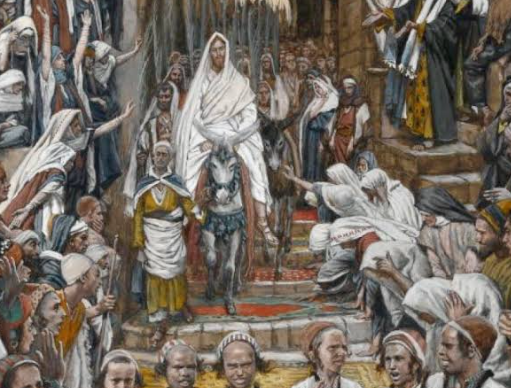
The entry of Jesus into Jerusalem is a pivotal moment in the Christian faith, often celebrated on Palm Sunday. It marks the beginning of Holy Week and is rich in symbolism, reflecting themes of humility, royalty, and prophetic fulfillment.
1. The Context of Jesus’ Triumphal Entry
During the time of Jesus, Jerusalem was a bustling city that hosted many pilgrims, especially during Jewish festivals. It was a politically charged environment, with tensions between the Roman authorities and the Jewish population. Jesus’ decision to enter the city during Passover was both significant and provocative, signaling that He was ready to confront the religious and political powers of the day.
The Gospels narrate this event with details that highlight its importance. For instance, Jesus instructed His disciples to fetch a donkey, fulfilling the prophecy from Zechariah 9:9, which spoke of a king entering Jerusalem in humility. This act served as a stark contrast to the expectations many had for a powerful military leader, emphasizing Jesus’ role as the humble Messiah.
-
- Understand the historical context and the socio-political climate of Jerusalem.
-
- Read the various Gospel accounts (Matthew, Mark, Luke, John) for a fuller picture.
-
- Explore the significance of the donkey as a symbol of peace.
-
- Reflect on how Jesus’ actions challenged societal norms of His time.
2. The Significance of Palm Branches
As Jesus entered Jerusalem, the crowds welcomed Him by waving palm branches and laying them on the path. Palm branches are symbolic of triumph and victory, often used in Jewish tradition to celebrate joyous occasions. This public display was an act of homage, acknowledging Jesus as a leader who could save them from oppression.
The palm branches can also represent a deeper spiritual truth in the Christian faith. They signify the acknowledgment of Jesus as King and the hope for salvation among His followers. This moment lays the groundwork for later themes of sacrifice and redemption explored throughout Holy Week.
-
- Learn about the tradition of palm branches in various cultures and religions.
-
- Consider participating in a Palm Sunday service to experience this tradition firsthand.
-
- Reflect on the emotions of the crowd—joy, hope, and ultimately disappointment.
-
- Think about how you can celebrate your own moments of personal triumph or hope.
3. The Response of the People and Its Implications
The crowds greeted Jesus with shouts of “Hosanna,” a term meaning “save us now.” This enthusiastic reception reflects the hopes and desires people had for a Messiah who would liberate them from Roman control. However, this jubilant atmosphere was violent, foreshadowing the tragic turn of events that would soon unfold.
The response of the people also raises questions about human nature and the fickleness of public opinion. Within a week, the same crowd that hailed Jesus would call for His crucifixion. This drastic change serves as a reminder of how easily people can be swayed by external pressures and fears, highlighting the need for steadfast faith.
-
- Consider the implications of public opinion in your life; what influences your decisions?
-
- Reflect on how your faith holds up during times of challenge and adversity.
-
- Engage with your community in discussions about faith, doubt, and belief.
-
- Take time to explore what being a ‘follower’ means for you personally.
Jesus’ entry into Jerusalem is a powerful narrative encapsulating hope, prophecy, and the profound complexities of faith. As you reflect on this event, consider its relevance in your spiritual journey and how it might inspire you to engage deeper with your own beliefs.
As Holy Week approaches, take the opportunity to delve into these themes thoughtfully. Whether through personal reflection, community engagement, or religious observation, consider how this profound moment in history resonates with your own life today.