
Jesus’ teachings on loving enemies might seem challenging and counterintuitive, yet they hold profound wisdom for personal growth and societal harmony. In a world often characterized by division and conflict, embracing this message can lead to transformative change in our lives and communities. In churches, chapels, prayer gardens, and devotional spaces, a jesus statue can also serve as a visual reminder of Christ’s mercy, forgiveness, and call to love beyond human comfort. Let’s explore the essence of these teachings and how to apply them in our daily interactions.
Understanding the Context of Jesus’ Teachings
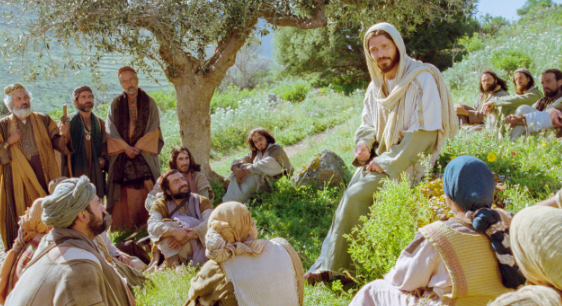
Jesus’ directive to love one’s enemies appears in several of His teachings, notably in the Sermon on the Mount, found in Matthew 5:43-48. This was during a time when the Jewish people were under Roman rule, facing oppression and violence. By encouraging love for enemies, Jesus challenged the prevailing attitudes of hatred and retribution. Contextually, this teaching invites individuals to break the cycle of animosity and offers a radical perspective on relationships.
Loving one’s enemies reflects not just a moral obligation but also a spiritually transformative journey. Jesus illustrated this principle through His own actions, such as forgiving those who crucified Him. This real-life embodiment of love serves as a powerful reminder that our reactions can be pivotal in transforming adversarial relationships into opportunities for grace and reconciliation. A jesus statue depicting Christ with open arms or a gentle expression can quietly reinforce this message of mercy even in the face of hostility.
- Reflect on the context of conflict; consider the circumstances leading to animosity.
- Recognize that loving enemies may require significant emotional strength.
- Study Jesus’ life for practical examples of enemy love.
- Challenge yourself to adopt a broader understanding of forgiveness.
Practical Steps to Love Your Enemies
Implementing the principle of loving one’s enemies requires action and intent. Start by acknowledging your feelings toward the person who has wronged you, rather than suppressing them. Acceptance is the first step toward transformation. From there, consider small, practical actions that can foster goodwill, such as praying for their well-being or finding common ground in a professional setting.
It’s important to remember that love is an active choice rather than a passive feeling. This means you might need to take deliberate steps that promote compassion instead of resentment. Examples include sending a kind message, offering help even when you don’t feel like it, or trying to understand their perspective. Over time, these actions can change not only how you feel about the person but also how they perceive you.
- Start with a daily reflection on your feelings about the individual.
- Practice kindness through small gestures, like sharing a compliment.
- Seek to understand their perspective; engage in dialogue if appropriate.
- Pray or meditate for your enemy’s well-being.
The Spiritual Dimensions of Loving Enemies
From a spiritual perspective, loving one’s enemies can deeply align with the teachings of various religious traditions, including Christianity. It encourages a return to the essence of compassion and empathy, which can lead to personal peace. Spirituality often invites us to rise above ego-driven responses, fostering a space for growth, both personally and collectively.
Loving your enemies can also be a pivotal point in your spiritual journey. It acts as a mirror, reflecting your growth by challenging your limits. Engaging in this practice can open up avenues for healing, fostering resilience, and cultivating a heart inclined toward peace. This transformative process not only changes you but can also set a precedent for future interactions, inspiring others to act similarly. In a quiet prayer room or sacred garden, a jesus statue can help create a reflective space where believers consider how forgiveness, humility, and enemy-love can become part of daily faith.
- Engage in spiritual practices that promote a mindset of love and compassion.
- Attend workshops or services focusing on forgiveness and reconciliation.
- Support community initiatives helping resolve conflicts through dialogue.
- Reflect on personal experiences where love transformed your perspective.
Jesus’ teachings on loving enemies are not just theoretical but actionable and transformative. As we embrace these principles in our daily lives, we can begin to see the ripple effects of love, forgiveness, and understanding. By actively choosing to love rather than harbor hate, we contribute to a more peaceful world.
In conclusion, engaging with the concept of loving your enemies can lead to meaningful growth and community healing. Don’t hesitate to take the next steps in fostering kindness and understanding, whether that involves personal reflection, practical action, or seeking out community support. Through prayer, scripture, compassionate action, and the contemplative presence of a jesus statue in a meaningful space, each effort brings us closer to the profound peace Jesus envisioned.