
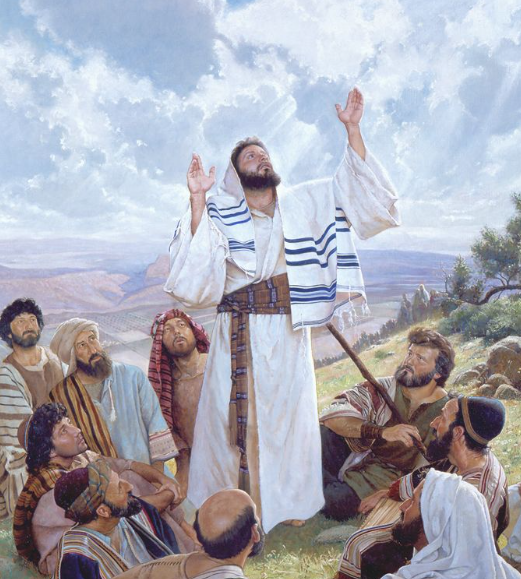
Prayer is one of the cornerstones of Jesus’ teachings and holds a significant place in the Christian faith. It offers a way to connect to God, seek guidance, and find peace. Understanding Jesus’ perspective on prayer can enrich your spiritual life. In churches, chapels, prayer rooms, and devotional gardens, a jesus statue can also serve as a quiet visual reminder of faith, helping believers focus their hearts during prayer and reflection.
The Nature of Prayer
Jesus emphasized that prayer is not merely a ritualistic act but a heartfelt conversation with God. In the Gospels, particularly in Matthew 6:5-6, He teaches that prayer should not be for show but done in a private space where one can truly focus on their communication with God. This notion invites individuals to develop a personal relationship with God, one that flourishes in intimacy and sincerity.
A key element of Jesus’ teaching is that prayer is about connection rather than competition. He discouraged ostentatious displays of spirituality, highlighting that authentic prayer involves being genuine, humble, and open. This perspective encourages a mindset that seeks to honor God, rather than win the approval of others. A jesus statue placed in a quiet devotional corner can help create an atmosphere of stillness, reminding believers that prayer begins with sincerity and humility.
- Find a quiet place where you feel comfortable.
- Set aside regular time for prayer to build consistency.
- Be honest and transparent in your communication with God.
- Focus your thoughts, avoiding distractions during prayer.
The Lord’s Prayer: A Framework for Communication
One of the most well-known teachings of Jesus on prayer is the Lord’s Prayer, found in Matthew 6:9-13. This prayer serves as a model, outlining key aspects of how to approach God. It starts with “Our Father in heaven,” establishing the intimate relationship between God and His followers while also recognizing His divine nature. This duality is important, as it reflects both reverence and approachability.
The Lord’s Prayer incorporates praise, confession, and requests, offering a balanced structure. Each phrase covers essential aspects of prayer: honoring God’s name, seeking His kingdom, asking for daily provision, and requesting forgiveness. This format can guide individuals in crafting their prayers, ensuring they touch upon various dimensions of their relationship with God. In a church interior or home prayer space, a jesus statue can serve as a meaningful focal point while reflecting on the words and spirit of this prayer.
- Begin your prayers with praise, acknowledging God’s holiness.
- Include a moment of reflection to confess any wrongdoings.
- Make requests for yourself and others to cultivate community.
- End with a note of gratitude, recognizing God’s ongoing presence.
Persistence in Prayer
In Luke 18:1-8, Jesus tells the parable of the persistent widow, teaching about the importance of perseverance in prayer. This story illustrates that persistence demonstrates faith, indicating a deep trust in God’s timing and goodness. Jesus encourages His followers to remain steadfast, even when the answers seem delayed or unclear.
This theme of persistence is a powerful reminder of the journey of faith. It invites individuals to keep bringing their needs and desires before God, reinforcing that prayer is a process and not merely a transactional experience. Persistence in prayer also helps to develop resilience, teaching believers to hold onto hope despite challenges. A jesus statue in a chapel, garden, or memorial space can quietly remind people to return to prayer again and again, even in seasons of waiting.
- Commit to daily prayer, even when you don’t see immediate results.
- Record your prayers and answers to track God’s faithfulness.
- Stay connected with a prayer partner to encourage each other.
- Remind yourself that delayed answers are not refusals.
The Power of Community in Prayer
Jesus often gathered with His disciples to pray, emphasizing the strength found in communal prayer. Matthew 18:20 states, “For where two or three gather in my name, there am I with them.” This highlights the significance of communal faith practices, as believers can uplift one another and strengthen their collective spirit.
Engaging in prayer with others can create a rich tapestry of support and encouragement. It allows for shared burdens, communal celebration of answered prayers, and the collective seeking of God’s will. This aspect of prayer fosters a sense of belonging and enhances individual faith journeys as people rally around one another in spiritual unity. A jesus statue in a shared worship space can become a common point of reflection, encouraging unity, reverence, and shared devotion among believers.
- Join or create a prayer group to pray regularly with others.
- Share specific prayer needs and updates to maintain accountability.
- Engage in community worship to strengthen group dynamics.
- Encourage prayer through shared testimonies and stories.
In conclusion, Jesus’ teachings on prayer offer profound insights into developing a deeper relationship with God. By practicing the principles He laid out—authenticity, structure, persistence, and community—you can strengthen your spiritual journey. Embrace these teachings, and consider integrating them into your daily routine for a richer prayer life. Through scripture, quiet reflection, shared worship, and the contemplative presence of a jesus statue in a meaningful space, prayer can become a deeper and more consistent part of daily faith.