
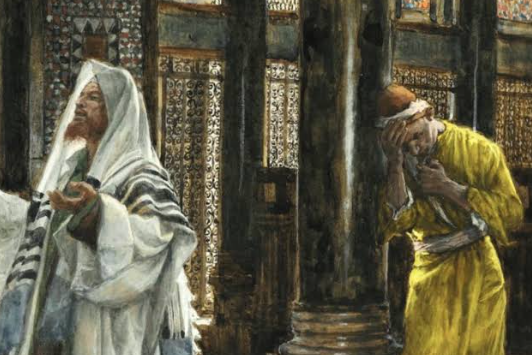
The Parable of the Pharisee and the Tax Collector offers a profound lesson on humility and self-awareness. Through this biblical story, found in Luke 18:9-14, we learn about the importance of recognizing our own shortcomings rather than judging others.
1. Understanding the Characters
The parable presents two distinct characters: the Pharisee and the Tax Collector. The Pharisee is depicted as a devout man, adhering strictly to religious customs and practices. He boasts about his actions, positioning himself as righteous compared to the tax collector, whom he views with disdain. This contrast illustrates the danger of self-righteousness, where one’s virtues are amplified at the expense of acknowledging personal flaws.
On the other hand, the Tax Collector represents an outcast in society. Tax collectors were often despised for collaborating with the oppressive Roman regime and for their propensity to cheat. His humble approach, characterized by a heart of repentance, presents a stark contrast to the Pharisee’s arrogance. Through these characters, the parable invites us to consider our own attitudes and how we relate to others.
-
- Reflect on your own attitudes toward those who are different from you.
-
- Practice humility by acknowledging your own flaws.
-
- Avoid comparisons; they often lead to arrogance or self-doubt.
-
- Seek understanding rather than judgment when discussing others’ choices.
2. The Importance of Humility in Prayer
The Pharisee’s prayer is filled with self-praise, a critical aspect of his character that discourages genuine connection with God. He lists his commendable actions, such as fasting and tithing, highlighting an almost transactional relationship with faith. This form of prayer lacks sincerity, reflecting how external rituals can sometimes overshadow inner spiritual truth.
In contrast, the Tax Collector’s prayer is simple and heartfelt. He stands at a distance, beating his chest in sorrow and asking God for mercy. His approach encapsulates the essence of true repentance, emphasizing heartfelt communication over ceremonial display. This serves as a reminder that humility is a prerequisite for genuine prayer and spiritual growth.
-
- Begin your prayers by acknowledging your imperfections.
-
- Focus on sincerity rather than formality in your approach to God.
-
- Incorporate moments of silence for reflection during prayer.
-
- Express gratitude before listing your requests.
-
- Remember that honesty in prayer can lead to deeper spiritual connections.
3. Lessons on Judgment and Compassion
The parable serves as a powerful caution against judgment. The Pharisee’s contemptuous view of the Tax Collector demonstrates how quickly we can fall into the trap of evaluating others based on outward appearances. Such judgment can create barriers to compassion and understanding, hindering our capacity to connect meaningfully with those around us.
On the flip side, the Tax Collector embodies the spirit of compassion and humility. His recognition of his own shortcomings allows him to empathize with others who are struggling. The parable encourages us to adopt a posture of compassion, fostering an environment where we uplift rather than criticize. By creating a culture of support, we can build stronger communities grounded in love and understanding.
-
- Practice empathy by actively listening to others’ stories.
-
- Avoid making snap judgments about people’s character or actions.
-
- Encourage open dialogue about experiences and struggles.
-
- Engage in acts of kindness without expecting anything in return.
-
- Recognize that everyone has their battles; be supportive rather than critical.
The Parable of the Pharisee and the Tax Collector encourages us to introspect on our behavior and relationships with others. To embody its lessons, consider embracing humility in your daily life and nurturing compassion within your communities. By taking active steps to apply these teachings, we can foster a more understanding and loving environment for all.