
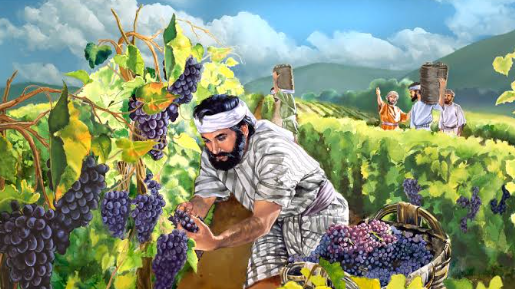
The Parable of the Workers in the Vineyard is a powerful lesson of grace, equality, and understanding one’s value in the eyes of God. This story, found in the Gospel of Matthew, invites readers to reflect on themes of fairness, rewards, and generosity.
1. The Story Behind the Parable
The Parable of the Workers in the Vineyard narrates the tale of a vineyard owner who hires workers at different times throughout the day. Some workers start their labor in the early morning, while others are hired at later hours. Despite the disparity in hours worked, the owner pays each worker the same wage at the end of the day. This story illustrates the concept of divine generosity and the belief that everyone is valued equally, regardless of the time or effort put in.
This narrative serves as a reminder that God’s grace is not confined by human notions of fairness. The workers who labored all day expected more because of their longer hours, but they received the same pay as those who worked only a single hour. The vineyard owner’s actions highlight that divine justice can be distinct from earthly expectations, urging readers to consider how they view fairness and compensation in their own lives.
-
- Reflect on where you see fairness in your life.
-
- Think about how you value the efforts of others.
-
- Consider what constitutes true worth.
-
- Challenge your understanding of justice versus grace.
2. Lessons on Grace and Generosity
This parable imparts crucial lessons about grace and the nature of generosity. It highlights that grace cannot be earned and that God bestows it freely upon everyone. Just like the vineyard owner, we should strive to extend grace to others, regardless of their past or contributions. This lesson invites a shift in perspective, urging people to focus less on deserving and more on sharing kindness.
Another important takeaway is the idea that generosity goes beyond material wealth. A simple act of kindness, a smile, or a moment of understanding can be just as impactful as financial assistance. In recognizing that everyone may be in different stages of life, we learn to be grateful for our blessings and to share them with those around us without expecting something in return.
-
- Practice acts of kindness daily.
-
- Look for opportunities to extend grace to others.
-
- Share your resources without expecting rewards.
-
- Encourage others to do the same.
3. Challenging Our Sense of Entitlement
The reactions of the workers who started early in the morning provide valuable insights into human nature, particularly regarding entitlement. Their response to what they perceived as unfairness raises key questions about our own attitudes. Are we quick to judge others when we feel we have put in more effort? This parable prompts us to examine our hearts and our thoughts about what we deserve.
Such reflections can lead to personal growth and a more profound understanding of compassion and community. Moments when we feel slighted can be transformed into opportunities for humility and empathy. Instead of resenting those who appear to be receiving unearned rewards, we can choose to celebrate their success and reflect on our journey and experiences.
-
- Acknowledge your feelings of entitlement.
-
- Practice gratitude for your own blessings.
-
- Encourage discussions about fairness in your communities.
-
- Mentor others in redefining success and worth.
In conclusion, the Parable of the Workers in the Vineyard encourages us to reevaluate our perspectives on fairness, grace, and generosity. By reflecting on the story’s lessons, we can cultivate a more compassionate spirit within ourselves and foster a community rooted in understanding and love. Take the next step by sharing your insights with others and making a conscious effort to practice grace in your everyday interactions.