
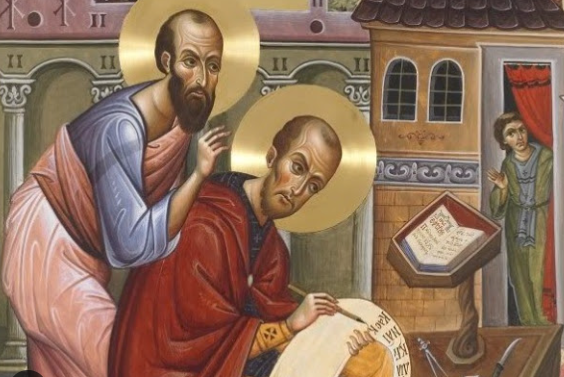
Saint John Chrysostom’s Contributions to Homiletics
Saint John Chrysostom, a towering figure in early Christianity, made significant strides in the art of homiletics—the study and practice of preaching. His dynamic style, insightful interpretations of scripture, and emphasis on practical application have left a lasting legacy that continues to influence preachers today. Understanding Chrysostom’s contributions to homiletics not only enriches our appreciation for his work but also provides valuable lessons for contemporary preaching.
The Power of Oratory
Saint John Chrysostom was renowned for his remarkable oratory skills. His sermons were delivered with eloquence and passion, drawing in his audience and capturing their attention. He understood the importance of speaking in a way that resonated with the everyday experiences of his listeners. By using vivid imagery, relatable anecdotes, and clear language, he made complex theological concepts accessible. This approach not only educated his audience but also motivated them to act upon the teachings presented in his sermons. Chrysostom’s mastery of oratory has inspired countless preachers to enhance their own speaking abilities, reminding them that effective communication is key to impactful preaching.
Moral Reform and Social Justice
Chrysostom’s sermons were not just about conveying religious doctrine; they also addressed the pressing social issues of his time. He was passionate about moral reform and social justice, using his platform to speak out against corruption, inequality, and the neglect of the poor. By weaving these themes into his messages, he demonstrated that faith and action must go hand in hand. His sermons challenged the status quo and encouraged believers to engage with the world around them, paving the way for a more just society. This focus on social responsibility serves as a vital lesson for modern preachers, highlighting the need to address contemporary issues within the community from the pulpit.
Theological Depth and Pastoral Care
Chrysostom’s theological insights were grounded in deep biblical scholarship, which he combined with pastoral sensitivity. He approached scripture with a careful, reasoned analysis, often drawing from both the Old and New Testaments to provide rich theological perspectives. Importantly, he addressed the spiritual needs of his congregation, guiding them through personal struggles and moral dilemmas. His ability to blend sound theology with heartfelt pastoral care is a model for today’s preachers, emphasizing the importance of empathy and understanding in ministry. By fostering a deep connection with their congregations, preachers can provide support that uplifts and nourishes the spiritual lives of their communities.
In Conclusion
Saint John Chrysostom’s contributions to homiletics continue to resonate with preachers and believers alike. His powerful oratory, commitment to social justice, and theological depth serve as timeless reminders of the impactful role preaching can play in society. Whether you are a seasoned preacher or someone looking to deepen your understanding of faith, exploring Chrysostom’s legacy can offer valuable insights. Consider delving deeper into his works or reflecting on how his teachings can inform your own spiritual journey.