
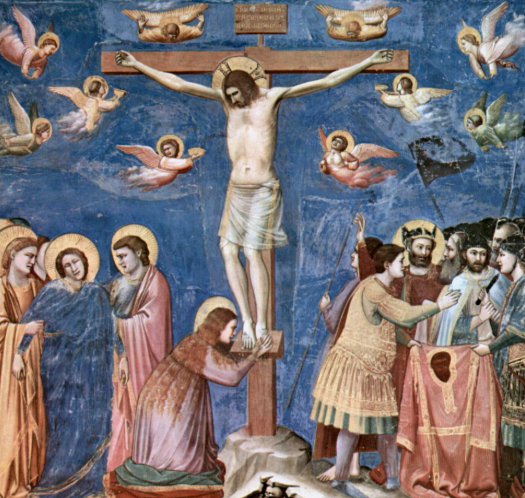
The crucifixion of Jesus Christ stands as a pivotal event in both historical and religious contexts. This significant moment not only shaped the course of Christianity but also continues to affect modern society in various ways. Understanding the details surrounding this event can provide deeper insights into its implications for faith and history.
1. Historical Background of the Crucifixion
The crucifixion of Jesus occurred in the first century CE during the Roman occupation of Judea. It is traditionally dated around 30-33 CE, when Jesus was approximately 33 years old. The political environment at the time played a vital role; the Roman authorities were wary of any movements that threatened their control, and Jesus’ growing popularity was seen as a potential challenge to their rule. Additionally, the Jewish religious leaders were concerned about Jesus’ teachings and his claim to messiahship, which directly contradicted their authority.
Moreover, crucifixion was a Roman method of execution dominated by the principles of public humiliation and deterrence. It was usually reserved for slaves, insurrectionists, and the most heinous criminals. This explains why Jesus’ crucifixion was not only a punishment but also a demonstration of power by the Roman Empire, signaling to the populace what would happen to those who defied their reign.
-
- Familiarize yourself with the historical context of first-century Judea.
-
- Explore the political dynamics between the Roman authorities and Jewish leaders.
-
- Understand the significance of crucifixion as a Roman execution method.
-
- Research different perspectives on Jesus’ life and ministry.
2. The Events Leading Up to the Crucifixion
Prior to the crucifixion, several critical events culminated in Jesus’ arrest and subsequent execution. The Last Supper, attended by his disciples, was an intimate gathering filled with symbolism. During this meal, Jesus predicted his betrayal by Judas Iscariot and spoke about the significance of his impending sacrifice. Following this gathering, Jesus prayed in the Garden of Gethsemane, where he faced emotional turmoil, anticipating the suffering to come.
Judas Iscariot’s betrayal was a key turning point. With betrayal as a catalyst, Jesus was arrested and taken before the Sanhedrin, the Jewish council. During his trial, he faced a series of false accusations and ultimately was handed over to Roman authorities. The decision for crucifixion was pronounced by Pontius Pilate, who struggled with the choice but yielded to the mob’s demands. This sequence of events showcases the intermingling of personal struggles, political machinations, and social dynamics that led to the crucifixion.
-
- Learn about the significance of the Last Supper in Christian theology.
-
- Analyze the role of Judas Iscariot in the narrative.
-
- Investigate the trial procedures in Roman-occupied Judea.
-
- Understand how public opinion influenced the judicial process.
3. The Crucifixion and Its Immediate Aftermath
The crucifixion itself was a harrowing event marked by immense suffering and agony. Jesus was nailed to a cross, a painful and slow method of execution. The Gospels detail his final words, which hold great significance for believers, showcasing themes of forgiveness and fulfillment of prophecy. To the observers, the act was not only a form of punishment but also an emotional spectacle, invoking both despair and confusion among Jesus’ followers.
The immediate aftermath of the crucifixion was tumultuous. The death of Jesus resulted in a sense of loss among his disciples, who were plunged into despair, fearing for their lives and questioning their faith. However, the resurrection three days later became a cornerstone of Christianity, transforming this tragedy into a message of hope and redemption. Many early followers began to actively spread Jesus’ teachings, setting the stage for the rapid growth of the Christian movement.
-
- Reflect on the emotional and spiritual responses of Jesus’ followers after the crucifixion.
-
- Explore the significance of the resurrection as a foundation of Christian faith.
-
- Consider how the crucifixion influenced the development of early Christianity.
-
- Investigate artistic and literary representations of the crucifixion throughout history.
4. Theological Implications of the Crucifixion
The crucifixion of Jesus holds profound theological implications, particularly in Christianity, where it is viewed as a fundamental expression of God’s love and sacrifice. Many theologians argue that Jesus’ death serves as atonement for humanity’s sins, opening the path to salvation. This belief emphasizes the idea of grace, asserting that through faith in Jesus, believers can receive forgiveness and eternal life.
Furthermore, the crucifixion symbolizes a divine understanding of human suffering. It presents the idea that God is not distant from human pain but rather intimately engaged with it. This engagement can offer comfort to believers facing adversity, reinforcing the notion that suffering can yield hope and transformation. This perspective encourages individuals to find strength in their trials, drawing inspiration from Jesus’ sacrifice.
-
- Study different theological interpretations of the crucifixion.
-
- Explore the concept of atonement within various Christian denominations.
-
- Reflect on how the crucifixion shapes contemporary beliefs about suffering.
-
- Engage with community discussions on the implications of Jesus’ sacrifice.
The crucifixion of Jesus Christ is more than just an event of the past; it continues to resonate deeply in the hearts and minds of millions. Whether you approach it from a historical, cultural, or spiritual perspective, understanding its significance can enrich your worldview. Consider exploring these dimensions further, seek guidance from trusted sources, or participate in discussions to deepen your knowledge and connection to this vital aspect of history and faith.