
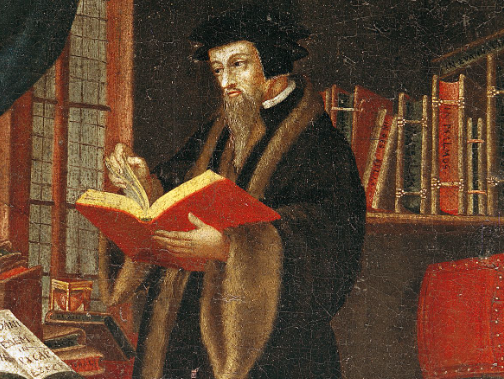
The Influence of John Calvin on Protestantism
Understanding the impact of John Calvin on Protestantism is essential for anyone interested in religious history and its lasting effects on modern faith practices. Calvin’s ideas reshaped Christianity in profound ways, influencing countless individuals and communities around the globe. This article explores Calvin’s theological contributions and their implications for contemporary Protestant thought.
Theological Foundations
John Calvin’s theological framework became a cornerstone of Reformed Christianity. His seminal work, “Institutes of the Christian Religion,” introduced concepts like predestination, the sovereignty of God, and the authority of Scripture. Calvin emphasized that salvation is a divine act, not a human achievement, fostering a sense of humility among believers. His teachings laid the groundwork for other Protestant sects, including Presbyterians and Reformed Baptists, shaping their understanding of grace and faith.
Church Governance and Discipline
Calvin didn’t just focus on personal piety; he also redefined church governance. He advocated for a system of church leadership that included elders and deacons, promoting a more democratic approach to ecclesiastical authority. This model emphasized accountability and communal decision-making, which contrasted with the hierarchical structures of the Catholic Church. Calvin’s influence can be seen in modern-day churches that prioritize congregational autonomy and shared leadership, encouraging active participation from members.
Cultural Impact and Legacy
Calvin’s influence extended beyond theology and governance; it also reshaped social and cultural norms. His teachings encouraged a strong work ethic and a sense of personal responsibility, which many scholars argue laid the foundation for modern capitalism. Calvinist principles promoted education, as literacy became increasingly important for individual interpretation of Scripture. This emphasis on learning and moral living has left a lasting imprint on Western society, contributing to advancements in various fields, including science, economics, and education.
Conclusion
John Calvin’s influence on Protestantism is both profound and enduring, shaping theological, social, and cultural landscapes. Whether you’re exploring your own faith or diving into religious studies, understanding Calvin’s contributions can enhance your perspective. We invite you to continue your journey of discovery in the rich history of Protestantism and its key figures.