
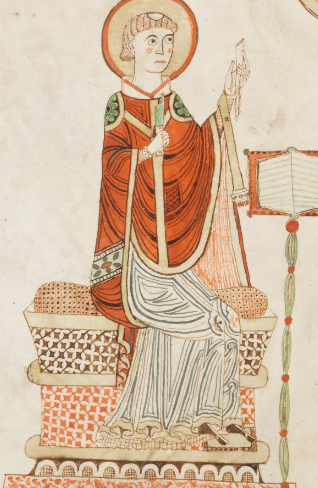
The Influence of Saint Bede the Venerable
Saint Bede the Venerable, an English monk and historian from the 7th century, remains a towering figure in the realms of theology and education. His scholarly contributions greatly shaped the medieval understanding of history, time, and the significance of the Christian faith. Exploring his influence is valuable for understanding how one individual can affect the course of religious and educational thought through the ages.
Historical Contributions
Bede is perhaps best known for his work, “Ecclesiastical History of the English People,” which offers a comprehensive account of early Christian Britain. This seminal text not only provides an invaluable resource for historians but also established Bede as the “father of English history.” By employing a methodical approach to document events and integrate theological insights, he set a precedent for future historians. His writings serve as a bridge between the ancient world and the medieval period, making them critical for understanding the evolution of Christian thought in England.
Theological Insights
Bede’s theological reflections were not just limited to historical narratives but expanded into deeper spiritual and religious discussions. He was notably a pioneer in the interpretation of scripture and the application of Christian principles in daily life. His method of integrating faith with academic study paved the way for future scholars to explore and articulate their beliefs within a scholarly framework. Bede’s liturgical writings also influenced the development of the church calendar, providing a structured approach to the celebration of Christian feasts and observances that continues to this day.
Educational Legacy
The legacy of Saint Bede extends far beyond his writings; he played a crucial role in shaping the educational landscape of medieval Europe. His approach to teaching emphasized the importance of a broad understanding of various subjects, such as grammar, mathematics, and astronomy. By presenting knowledge in an interconnected manner, Bede encouraged his students to think critically and engage deeply with their studies. This holistic approach marks Bede as a precursor to the modern liberal arts education system, inspiring generations of educators and scholars.
In conclusion, Saint Bede the Venerable’s extensive contributions to history, theology, and education reflect his profound influence on the medieval world and beyond. His works continue to resonate, offering insights and inspiration for modern readers and scholars alike. To delve deeper into Bede’s life and legacy, explore his writings or join a local seminar discussing his impact on Christian thought and education. Discover how one monk’s dedication can inspire countless minds throughout history!