
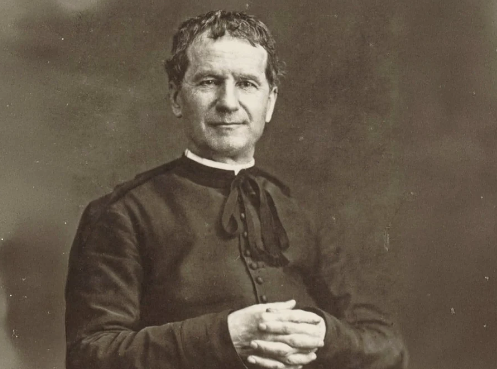
The Influence of Saint John Bosco on Youth
Saint John Bosco, a 19th-century priest and educator, dedicated his life to the welfare of youth, particularly the marginalized and impoverished. His innovative pedagogical methods and heartfelt dedication continue to inspire youth programs worldwide today. Understanding his influence can offer valuable insights into nurturing and mentoring young people in our communities.
Empathy and Compassion: The Cornerstones of Education
At the heart of Saint John Bosco’s philosophy was a profound belief in empathy and compassion. He understood that a caring approach could transform lives, and he prioritized building relationships with young people. By instilling a sense of trust, he encouraged them to open up about their dreams and challenges. His approach reminds us that education isn’t just about academic learning; it’s also about understanding the emotional and social development of youth. Creating a supportive environment cultivates not only better learners but well-rounded individuals.
The Preventive System: A Model for Modern Pedagogy
Saint John Bosco introduced the Preventive System, which focuses on guiding young people through reason, religion, and loving-kindness rather than punishment. This system underscores the importance of nurturing positive behavior rather than merely correcting negative actions. Educators and mentors today can learn from this model by promoting constructive engagement and fostering a sense of community. This method empowers youth to make wise decisions, boosts their self-esteem, and nurtures their potential in a positively reinforcing environment.
Innovation in Vocational Education
Notably, Saint John Bosco was a pioneer in vocational education, providing practical skills to his students to prepare them for a successful future. He believed that education should extend beyond academic subjects to include useful skills for life. By addressing both the intellectual and practical needs of youth, he contributed significantly to their employability and self-sufficiency. Today, his vision is reflected in various vocational training programs and youth mentorship initiatives that emphasize skill development alongside traditional education.
In conclusion, Saint John Bosco’s legacy reminds us of the transformative power of empathy, innovative education, and practical skill development in shaping our youth. By embracing his principles, we can create supportive environments that nurture the next generation, guiding them toward fulfilling and meaningful lives. For those interested in exploring more about how this influence can impact modern approaches to youth development, consider looking into local programs inspired by Bosco’s teachings or volunteering your time to support youth initiatives in your community.