
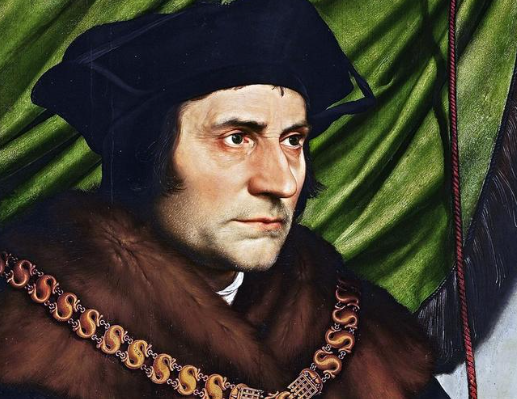
The Life and Faith of Saint Thomas More
Saint Thomas More is a compelling figure in history, not only for his political acumen but also for his unwavering faith in the face of incredible adversity. His life story serves as an inspiration for individuals grappling with moral dilemmas and those who strive to maintain integrity in challenging times. Understanding his virtues and convictions can help deepen one’s faith and reinforce the importance of standing by one’s principles.
The Early Life of a Scholar
Born in 1478 in London, Thomas More was a man of letters from his youth. He was educated at Oxford, where he developed a keen interest in law and philosophy. His early life was marked by intense study and dedication to knowledge, which laid the groundwork for his later role as an accomplished lawyer and statesman. Additionally, More’s humanist beliefs fostered a deep appreciation for the value of individual conscience, setting him on a path toward a life committed to justice, integrity, and faith.
Faith and Principles Amidst Political Turmoil
More’s faith was a cornerstone of his life, guiding his decisions during his tenure as Lord Chancellor under King Henry VIII. As a devout Catholic, he opposed the king’s separation from the Catholic Church, which stemmed from his desire to annul his marriage to Catherine of Aragon. More believed that remaining true to his faith was more important than any political ambition. His steadfast refusal to endorse the Act of Supremacy, which recognized Henry as the head of the Church of England, ultimately led to his arrest and execution. This act of martyrdom highlights the powerful intersection of faith and moral conviction in times of crisis.
Legacy of Courage and Integrity
Saint Thomas More’s legacy continues to resonate today, especially in discussions about the balance between personal beliefs and societal pressures. He is often regarded as a symbol of moral courage, urging individuals to prioritize their conscience over external expectations. His writings, including “Utopia,” reflect his deep concern for justice and the common good, and they encourage readers to think critically about societal issues. More’s life invites us to reflect on our values and the repercussions of our choices, inspiring future generations to act with integrity and conviction.
In conclusion, the life and faith of Saint Thomas More serve as a powerful reminder of the importance of standing firm in one’s beliefs, even when faced with overwhelming challenges. If you find yourself inspired by his story, take the opportunity to explore his works and learn more about his impact on both faith and politics. Engage with his legacy and consider how you can integrate his ideals into your own life.