
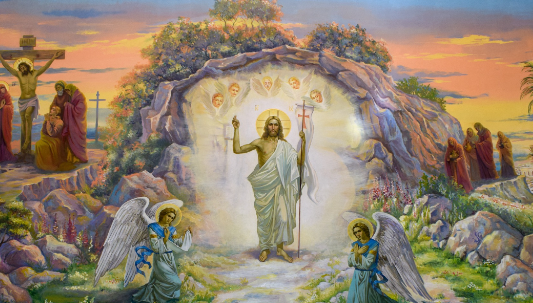
Unpacking the Miracle: The Resurrection of Jesus Explained
The resurrection of Jesus is one of the cornerstone beliefs of Christianity, symbolizing hope, renewal, and divine power over death. For believers and seekers alike, understanding this miracle can deepen faith and encourage meaningful conversations about its significance. Let’s explore the key aspects of the resurrection and why it remains a vital theme in spiritual discussions today.
The Historical Context of the Resurrection
To truly appreciate the resurrection, it’s essential to consider the historical backdrop in which it occurred. In the first century, Jerusalem was a melting pot of cultural and religious tensions, with Roman occupation looming heavily over Jewish life. Jesus’s crucifixion was not only a dramatic event but also a controversial one, igniting hopes for a Messiah who could liberate the Jewish people. His resurrection was reported by multiple sources shortly after his death, and it sparked a newfound zeal among his followers, leading to the rapid spread of Christianity. Understanding the historical context helps illuminate why the resurrection was revolutionary—and continues to resonate powerfully today.
Theological Implications of the Resurrection
The resurrection is more than just an event; it carries profound theological implications. Most importantly, it demonstrates the belief that death is not the end, but rather a transition to eternal life. In Christian theology, Jesus’s victory over death signifies the possibility of redemption for humanity. Furthermore, it reinforces the idea of grace—suggesting that no one is beyond the reach of God’s love and forgiveness. This transformative message invites individuals to reflect on their own lives and relationships, urging a journey toward spiritual awakening and renewal.
The Enduring Impact of the Resurrection
The impact of the resurrection transcends religious boundaries, inspiring art, literature, and philosophy throughout history. People from various walks of life have drawn strength and hope from its message, especially during challenging times. The concept of resurrection reminds us that hardships can lead to new beginnings, encouraging resilience and hope. Additionally, annual celebrations like Easter bring communities together, fostering connections among people who share similar beliefs while inviting others to explore the message of hope and renewal. By engaging in discussions about the resurrection, we can cultivate a deeper understanding of our shared human experience.
In conclusion, the resurrection of Jesus is a significant topic that invites exploration and dialogue about faith, hope, and the possibility of transformation. Whether you are curious about its historical context or interested in its lasting impact, there is much to learn and discuss. Take some time to delve into this miraculous event, and consider how it may resonate in your own life or inspire your connections with others.