
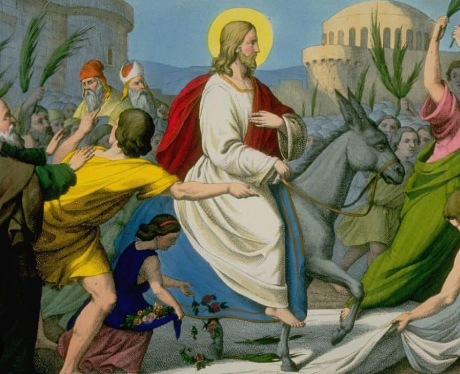
Within the grand narrative of the Bible, the donkey is not merely a beast of burden; it carries profound spiritual symbolic significance. From the prophecies of the Old Testament to their fulfillment in the New, the image of the donkey recurs frequently, often inextricably linked to God’s plan of redemption. Unlike the horse—which represents war and worldly power—the donkey in the Bible symbolizes humility, peace, and God’s special favor toward the lowly. Understanding the significance of the donkey in Scripture helps us gain a deeper appreciation of the core values of the Christian faith.
The Mount of the King of Peace: A Contrast to the Glory of Warhorses
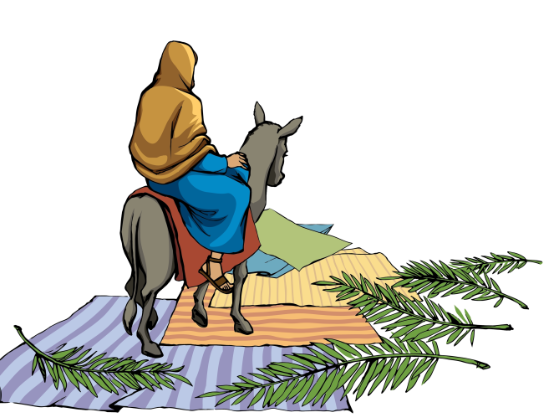
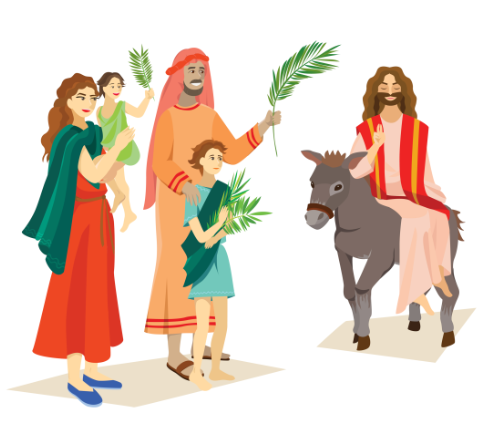
In the culture of the ancient Near East, the horse was a symbol of war, conquest, and royal authority; kings embarking on military campaigns invariably rode upon magnificent steeds. Yet, the Bible deliberately chose the donkey as the mount for the Messiah, thereby manifesting a kingdom of a fundamentally different nature. The prophet Zechariah foretold: “Behold, your King is coming to you! He is righteous and brings salvation, humble and riding on a donkey—on a colt, the foal of a donkey” (Zechariah 9:9). This prophecy was perfectly fulfilled when Jesus made His triumphal entry into the Holy City. By choosing to ride a donkey into Jerusalem rather than a warhorse, Jesus clearly proclaimed that He was not a military leader intent on waging bloody war, but a King who brings peace and salvation. Here, the donkey serves as a sign of peace, symbolizing that God’s kingdom is not established by the sword, but through humility and love.
An Instrument of Obedience and Revelation: Balaam’s Donkey
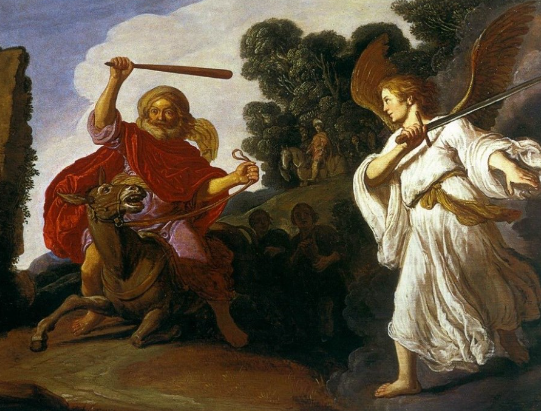
Aside from being the mount of Jesus, perhaps the most famous donkey in the Bible is the female donkey belonging to the prophet Balaam (Numbers, Chapter 22). In this story, while the prophet Balaam was blinded by greed—unable to see the Angel of the Lord standing in his path—the donkey saw Him clearly. The donkey deviated from the path three times and even spoke aloud, ultimately opening the prophet’s eyes so that he might discern God’s will. This story is at once deeply ironic and profoundly thought-provoking: sometimes, an animal—often perceived as dull-witted—can be far more attuned to the presence of God than a prophet who prides himself on his own wisdom. This donkey symbolizes absolute obedience to God, as well as the truth that—even in an era of spiritual blindness—God can still issue warnings and revelations through the most humble of vessels. It reminds believers that spiritual insight is not a matter of high status, but rather of possessing a heart that is both obedient and vigilant.
A Modern Metaphor Bearing the Divine
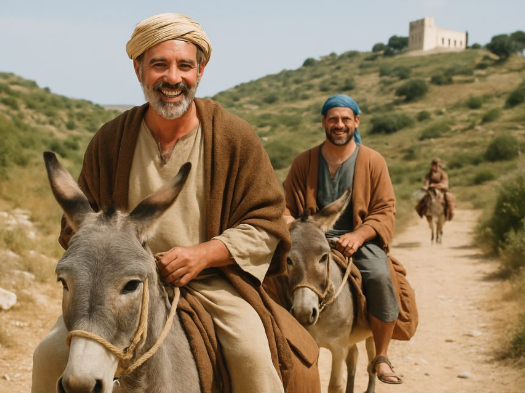
In the Bible, donkeys invariably appear at pivotal historical junctures; they silently bear their burdens, carrying the very history of salvation. This spirit of “silent service” serves as a true reflection of the Christian life—seeking not prominence, but faithfulness. Although we no longer require living donkeys today for transporting goods or serving as mounts, the spirit of humble service, peace, and resilience that the donkey represents remains worthy of remembrance and proclamation. In contemporary Christian art and culture, people have begun to recreate this biblical imagery through forms such as sculpture, utilizing it as a tangible reminder of their faith. For instance, placing a life-size donkey statue in a church courtyard or a Christian family’s garden serves not merely as an artistic reenactment of biblical history, but as a silent sermon. It constantly reminds passersby that the King who rode a young donkey into Jerusalem willingly walked the path to the Cross for the sake of our peace. This form of artistic expression transforms ancient scripture into a visual testimony of faith, allowing the biblical teachings on humility to continue resonating within our daily lives.
Conclusion
The donkey in the Bible is by no means an ordinary animal; it is a symbol carefully chosen by God. It bears witness to the humble arrival of the Messiah, as well as to God’s warnings against the arrogant. From Balaam’s donkey to Jesus’ colt, the stories of these animals teach us that in God’s kingdom, those whom the world despises are often the very ones God chooses to use mightily; true strength is often veiled in gentleness and humility. As we look back upon the biblical footprints of these long-eared friends, may we, too, emulate that spirit of silent obedience and mission-bearing, living out our lives as true messengers of peace.