
As Christmas approaches, Christians around the world commemorate the birth of Jesus Christ through practices that blend long-standing tradition with contemporary expression. These evolving forms of celebration reflect continuity in faith while adapting to modern cultural and social contexts.
Embracing a Global Perspective
In today’s interconnected world, Christmas has become a globally influenced celebration. Many Christians incorporate both local customs and international traditions into their observances. For example, in the Philippines, “Simbang Gabi,” a series of early morning Masses, remains a deeply meaningful practice. Meanwhile, in Western countries, festive elements such as Christmas markets and decorative lighting create a communal and celebratory atmosphere.
This blending of traditions highlights both the diversity and unity within Christianity. It allows believers to honor the birth of Christ while participating in a broader cultural exchange that strengthens community ties.
Innovative Worship Practices
Modern churches are increasingly adapting their worship styles to connect with contemporary congregations. Traditional services are often complemented by live music, visual media, and interactive elements that make the message more engaging and accessible.
Additionally, many churches now offer alternative services, such as “Blue Christmas” gatherings, which provide space for those experiencing grief or hardship during the holiday season. These services emphasize reflection, healing, and hope, ensuring that the message of Christmas remains inclusive and compassionate.
Community Engagement and Social Service
A significant aspect of modern Christmas celebrations is the emphasis on giving and service. Churches frequently organize food drives, charity events, and volunteer initiatives to support those in need. Collaborations with local organizations help extend their impact, providing meals, gifts, and assistance to families who may be struggling.
This focus on service reflects the core teachings of Christ, encouraging believers to express their faith through acts of kindness and generosity. It transforms Christmas from a purely celebratory occasion into a time of meaningful action and social responsibility.
Symbolism in Contemporary Contexts
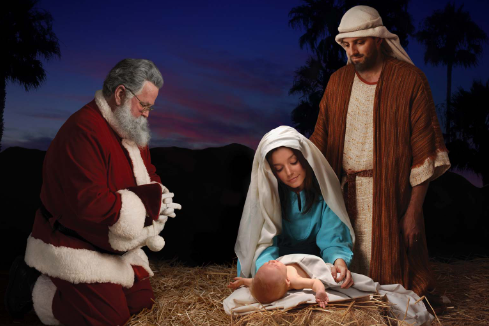
Visual symbols continue to play an important role in how Christians experience Christmas. A jesus sculpture, whether part of a traditional nativity scene or presented in a modern artistic style, serves as a powerful reminder of the Incarnation. These representations help bridge the historical story of Christ’s birth with present-day reflection, offering a tangible way for believers to connect with the spiritual significance of the holiday.
Conclusion
Christmas celebrations within Christianity continue to evolve, integrating tradition with innovation. Through global cultural influences, updated worship practices, and a strong emphasis on community service, believers find new ways to honor the birth of Jesus. Despite these changes, the central message remains unchanged, providing a foundation for both reflection and celebration in the modern world.