
Lent vs. Biblical Fasting: Understanding the Differences
As Christians seek to deepen their faith and connection with God, many turn to practices like Lent and biblical fasting. While both involve a commitment to sacrifice and reflection, they serve different purposes and are rooted in distinct traditions. This article explores the differences between Lent and biblical fasting, helping readers better understand these valuable spiritual practices.
The Purpose of Lent
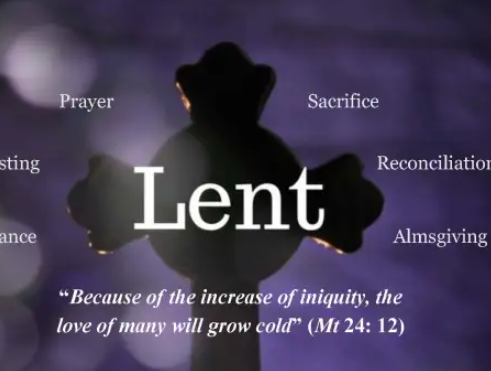
Lent is a 40-day period leading up to Easter, observed primarily in Western Christianity. It begins on Ash Wednesday and is a time of preparation, repentance, and self-denial. Many people give up specific luxuries or participate in acts of service to commemorate Jesus’ sacrifice and deepen their faith. The focus of Lent is not just on what one gives up, but also on the growth in spiritual disciplines, such as prayer, reflection, and community support. By understanding the purpose of Lent, Christians can approach this season with a heart open to transformation.
The Nature of Biblical Fasting
Biblical fasting, on the other hand, is often more spontaneous and varies in duration and form. In the Bible, fasting is frequently associated with seeking God’s guidance, expressing repentance, or focusing on prayer. It can range from abstaining from certain foods to complete fasting from all food for a specific period. The intent behind biblical fasting is to draw closer to God, align one’s heart with His will, and demonstrate reliance on Him for strength and sustenance. This practice can happen at any time and is often prompted by personal circumstances or communal needs.
The Differences in Practice
While both Lent and biblical fasting involve sacrifice, they differ in how and when they are practiced. Lent is a structured, calendar-based observance that many Christians follow as part of their liturgical traditions. In contrast, biblical fasting is often more personal and can occur independently of a season. Additionally, Lent usually emphasizes giving something up, while fasting can focus on both abstaining from food and increasing prayer or other spiritual practices. Understanding these distinctions can help individuals better engage with their faith and choose the practices that resonate most with them.
In Conclusion
Both Lent and biblical fasting offer rich opportunities for spiritual growth and reflection. Whether you choose to participate in Lent or seek to incorporate fasting into your spiritual routine, remember that the ultimate goal is to deepen your relationship with God. If you want to learn more about these practices and how to implement them in your life, consider exploring resources at your local church, reading relevant scriptures, or discussing with fellow believers. Embrace the journey of spiritual discovery and allow these practices to transform your heart.