
Do Mermaids and Unicorns Really Exist in the Bible?
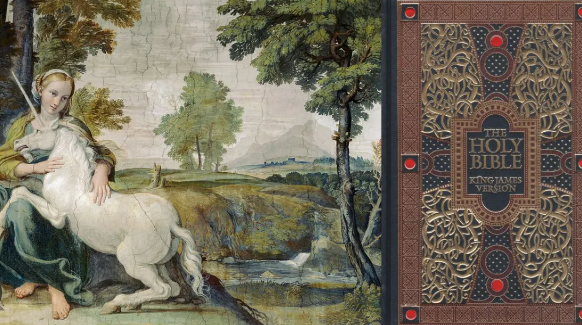
Many people wonder about the existence of mermaids and unicorns in the Bible. Strictly speaking, the modern concept of a “mermaid” does not explicitly appear in the Bible canon. While the Bible does contain imagery of the sea, the deep, sea monsters, and large fish, these are not equivalent to the half-human, half-fish mermaid figures of later folklore.
In contrast, the word “unicorn” appears in some older English translations, particularly in the King James Version, where it is used multiple times to translate a strong, wild beast. However, modern biblical studies generally suggest that the word more likely refers to bison, bulls, or similar large horned animals familiar to people in the ancient Near East, rather than the unicorns of today’s fairy tales.
The Meaning of Unicorn in Bible Translation
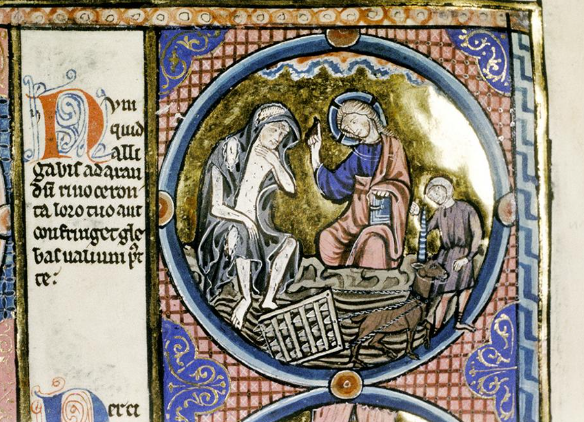
In the Old Testament, the Hebrew word associated with unicorn is often considered to be “re’em.” It appears in passages describing strength, wildness, and untamed nature. Early translators, faced with this ancient animal name, may have translated it as “unicorn” based on their contemporary linguistic traditions and animal perception. Later, with the development of linguistics and historical research, many modern translations used “wild ox” or similar expressions.
Therefore, the biblical unicorn should not be simply understood as a fantastical creature with magical connotations. It is more likely a symbol of power, majesty, and uncontrollability. This understanding also reminds us that when reading ancient texts, we cannot only consider the modern meaning of the word, but also the original text, translation history, and cultural context.
Mermaids and Ocean Imagery
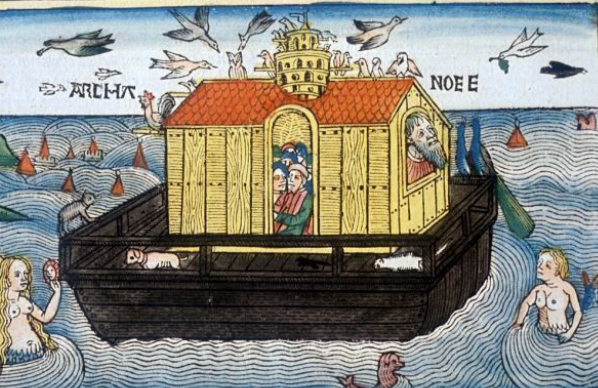
Although the Bible does not directly mention mermaids, ocean imagery is very important. The sea often represents vastness, the unknown, danger, and God’s sovereignty. Whether it’s Jonah being swallowed by a large fish or the mention of sea creatures in the Psalms, it shows the ancients’ awe of the sea.
Mermaids in later literature and folklore belong more to the traditions of mythology and marine fantasy. They can symbolize temptation, mystery, or the unknown world, but these meanings should not be directly applied to the biblical text. For religious reading, distinguishing between “original biblical content” and “later cultural imagination” is crucial.
The Boundary Between Mythical Imagery and Faithful Reading

When people discuss mermaids and unicorns in the Bible, the real focus is not on proving the existence of these creatures, but on understanding how the text uses animal and natural imagery to express faith messages. Animals in the Bible often carry symbolic meanings, such as strength, obedience, danger, judgment, or the richness of God’s creation.
In modern art and decorative culture, unicorn garden sculptures may convey a more dreamlike, pure, and beautiful aesthetic; however, in the biblical context, words related to unicorn emphasize strength, wildness, and elusiveness. The two can coexist, but should not be confused.
Conclusion
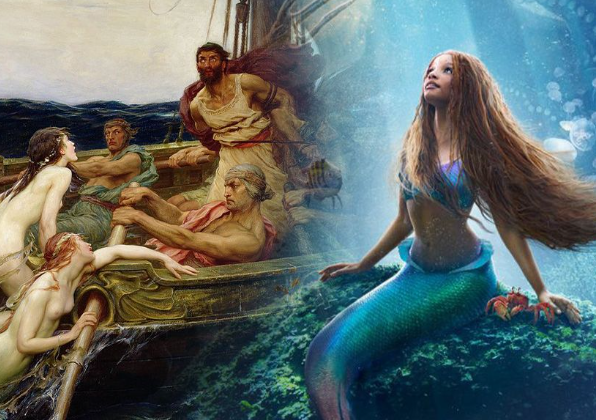
Overall, the Bible does not explicitly describe mermaids in the modern sense, and the use of “unicorn” in older English translations is more likely a translation of an ancient animal name. Understanding this helps us read the scriptures more carefully and avoid directly placing later fairy tale or mythological figures back into the original biblical text.
The topic of Mermaids and unicorns in the Bible is interesting precisely because it connects translation, history, faith, and imagination. It reminds us that biblical texts have their own context, and cultural traditions continuously imbue ancient words with new images and meanings.