
Lent Unveiled: Understanding the Spiritual Journey of Sacrifice and Renewal
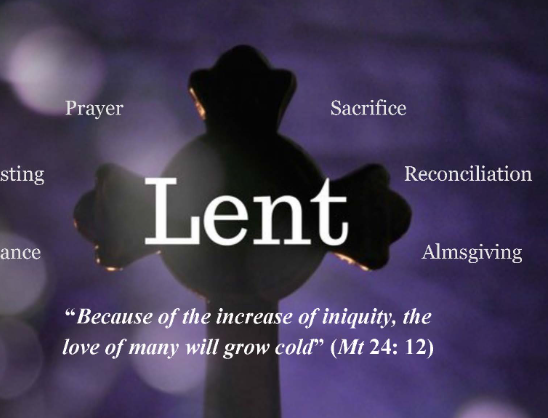
Lent is a significant period in the Christian calendar, often observed with a spirit of reflection, sacrifice, and renewal. It holds profound meaning for millions around the world and serves as a time for self-examination and spiritual growth. Understanding Lent’s essence can help deepen your spiritual journey during these 40 days leading up to Easter.
The History and Tradition of Lent
Lent traditionally lasts for 40 days, commemorating the time Jesus spent fasting in the desert. The practice is rooted in ancient traditions, with its origins traceable back to the early Christian community. Initially, Lent was not only a time for fasting but also for catechesis—preparing new believers for baptism on Easter Sunday. This blend of reflection, sacrifice, and community has evolved into a rich tapestry of customs, including Ash Wednesday, which marks the start of Lent, and Holy Week, leading up to Easter. Today, Lent serves as a reminder of Jesus’s humility and commitment to self-discipline, encouraging individuals to draw closer to their faith.
The Spiritual Significance of Sacrifice
At its core, Lent invites followers to engage in self-denial as a means of spiritual growth. Many people choose to give up something during this period—be it a favorite food, habit, or distraction. The act of sacrifice goes beyond simply abstaining; it’s about creating space for reflection and connection with God. This conscious effort can promote mindfulness and a simpler way of living, reminding individuals to focus on deeper relationships, gratitude, and community. Moreover, it helps cultivate virtues such as patience and empathy, ultimately leading to inner peace and renewal.
Practices to Enhance Your Lent Journey
While fasting is a popular practice during Lent, it is just one way to embrace this period of transformation. Many choose to enhance their Lenten experience by incorporating prayer, service, and contemplation into their daily lives. Engaging in acts of kindness or volunteering for a local charity can amplify the spirit of selflessness that Lent embodies. Journaling your thoughts or intentions can also help in reflecting on your journey, offering clarity and insight as you navigate these 40 days. Additionally, attending services or joining Lenten study groups can foster a sense of community and shared experience, enhancing your overall engagement.
Conclusion
Lent offers a rich opportunity for spiritual growth through sacrifice and renewal. By understanding its history, significance, and practical applications, you can embark on a meaningful journey that deepens your faith and reconnects you with core values. If you’re curious about further ways to enrich your Lenten experience, consider exploring resources at your local church or community center that focus on spiritual practices during this significant time. Embrace the journey and allow it to lead you toward renewal and deeper self-awareness.