
Palm Sunday Unveiled: Discover the Significance Behind the Celebration
As Christians around the world prepare to enter Holy Week, Palm Sunday holds a crucial place in the heart of this sacred journey. Celebrated on the Sunday before Easter, it commemorates Jesus’ triumphant entry into Jerusalem, filled with deep meaning and symbolism. Understanding the significance of Palm Sunday can enhance your spiritual experience and provide insight into the week leading up to Easter.
The Historical Context of Palm Sunday
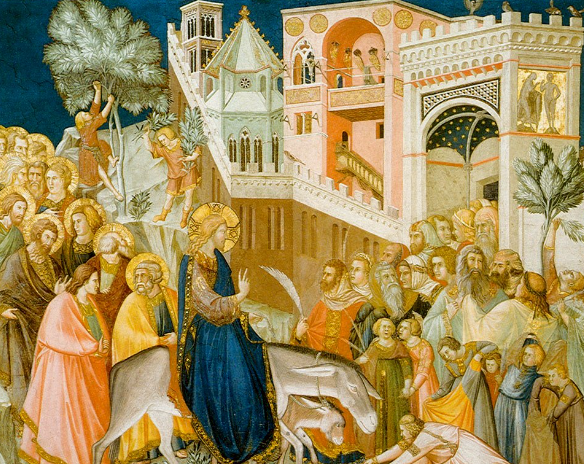
To fully appreciate Palm Sunday, it’s essential to grasp its historical context. This celebration dates back to the first century when Jesus entered Jerusalem riding a donkey, as foretold in the scriptures. Crowds gathered to welcome him, laying down palm branches and shouting “Hosanna!”—a phrase expressing praise and joy. The use of palm branches, a symbol of victory and peace, underscores the joyous welcome of Jesus as the promised Messiah. This event marked the beginning of the passion narrative, leading to his crucifixion and resurrection, making it a pivotal point in the Christian tradition.
Symbolism of Palm Branches
The palm branches used on this day carry rich symbolism. In ancient cultures, palms were associated with triumph and prosperity, often used to celebrate victories in battle or important events. In Christian tradition, the palms signify not only the victory of Jesus over sin and death but also his humility. While he is celebrated as a king, his choice of a humble donkey as his mode of transport serves as a reminder of the peace he offers. During Palm Sunday services, the congregation often receives blessed palm fronds to take home, symbolizing their connection to this sacred moment in history.
Celebration and Observances
Palm Sunday is celebrated with various customs and traditions around the world. Many churches hold special services that begin with a procession, where congregants wave palm branches and sing hymns. Additionally, the liturgy frequently includes the reading of the Passion narrative, which recounts the events leading up to Jesus’ death. In some cultures, people create intricate palm frond crafts, which they display as reminders of the day’s significance. These observances not only enhance the communal worship experience but also allow individuals to reflect on the themes of hope, humility, and the anticipation of Easter.
As you learn more about Palm Sunday, take a moment to consider how this celebration can impact your spiritual journey. Engaging in these traditions and understanding their meanings can provide depth to your Holy Week experience. Consider attending a Palm Sunday service or participating in local events to connect with others in reflection and joy. Let this day inspire a renewed appreciation for the humility and love that lies at the heart of the Easter message.