
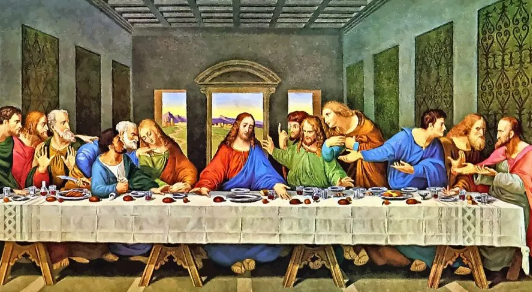
Breaking Bread: The Profound Spiritual Lessons of the Last Supper
The Last Supper is one of the most significant events in Christian history, representing more than just a meal shared among friends. This moment has deep spiritual meanings that continue to resonate with believers today. Exploring these lessons can enrich one’s faith and foster a deeper understanding of community, service, and sacrifice.
Understanding the Meaning of Communion
At the heart of the Last Supper is the concept of communion, symbolizing a deep spiritual connection between Jesus and his disciples. During this meal, Jesus broke bread and shared wine, establishing the practice of communion that many churches observe today. This act reflects the idea of unity and remembrance, inviting believers to partake in a collective experience of faith. It serves as a reminder that we are part of something larger than ourselves, encouraging us to seek connection with God and one another in our spiritual journeys.
The Importance of Humility and Service
Another essential lesson from the Last Supper is the spirit of humility and service. Before the meal, Jesus washed the feet of his disciples, an act that shocked them due to its unexpected nature. This gesture emphasizes the importance of serving others, regardless of one’s social or spiritual status. It teaches that true leadership often involves selflessness and an acknowledgment of our shared humanity. By adopting an attitude of humility, we can foster deeper relationships in our communities and serve as beacons of compassion and kindness.
Embracing Forgiveness and Betrayal
The Last Supper also highlights themes of forgiveness and betrayal, particularly with the presence of Judas, who would later betray Jesus. This moment speaks to the complexities of human relationships and the challenges of forgiveness. Jesus’ acknowledgment of Judas during the meal suggests that even in betrayal, love and understanding can prevail. This teaches us that forgiveness is a vital aspect of spiritual growth. Embracing it can help us let go of resentment, heal old wounds, and cultivate a spirit of reconciliation, which is essential in any community or relationship.
Conclusion
The Last Supper offers profound spiritual lessons that continue to inspire and guide believers in their daily lives. From the significance of communion and service to the teachings on humility and forgiveness, these lessons remind us of the fundamental values that bind us together. Whether you are deepening your faith or exploring these concepts for the first time, take a moment to reflect on the transformative power of breaking bread with others. Consider sharing your thoughts or participating in a community event to deepen your understanding and enrich your spiritual journey.