
Understanding the Trinity: A Beginner’s Guide to the Christian Doctrine
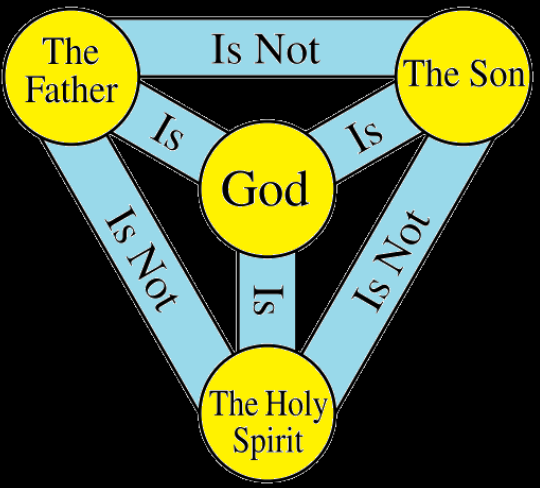
The concept of the Trinity is one of the most important yet challenging doctrines in Christianity. For many newcomers to the faith or even those who have been around for a while, grasping the idea of one God in three persons—Father, Son, and Holy Spirit—can feel daunting. This guide aims to clarify what the Trinity means and why it matters.
What Does It Mean to Believe in the Trinity?
At its core, the Trinity means that God exists as three distinct persons who are co-equal and co-eternal. This means that while the Father, Son, and Holy Spirit are distinct from one another, they are one in essence and purpose. This belief is rooted in Scripture, where various passages highlight the roles and relationships of the three persons. Understanding the Trinity encourages deeper fellowship and worship, allowing believers to appreciate the various ways in which God engages with creation.
The Relationship Between the Three Persons
Each person of the Trinity has unique roles but works in complete harmony. The Father is the creator and sustainer of the universe, the Son (Jesus Christ) became incarnate to provide redemption through His death and resurrection, and the Holy Spirit empowers believers and guides them in their spiritual journey. Observing their interactions, such as in the baptism of Jesus, reveals a unity that underscores their individual functions while emphasizing their oneness in mission. This relationship invites believers into a deeper understanding of God’s love and purpose for humanity.
Practical Implications of the Trinity in Daily Life
Believing in the Trinity can have significant implications for how Christians live their lives. It informs their understanding of love, community, and service. Just as the Father, Son, and Holy Spirit exist in perfect community, believers are called to live in relationships characterized by love and unity. This understanding prompts Christians to reach out to others, embodying the grace and mercy exemplified by Christ. It fosters a sense of belonging, reminding individuals that they are part of a larger family—God’s family.
As you explore the Trinity further, consider how this doctrine can enhance your spiritual walk. Attend a local church, read the Bible, or engage in a study group to dive deeper into the mystery of this foundational belief. Embracing the Trinity can transform your view of God and your relationships with others. The journey may be complex, but it is also profoundly rewarding.