
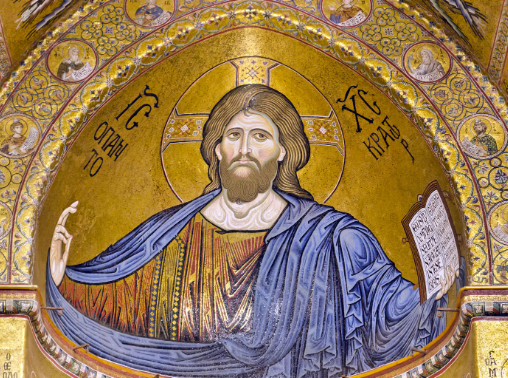
Understanding Jesus Christ is essential for many, as He is a central figure in Christianity and holds significance in various religions around the world. This blog post explores what defines Jesus Christ, looking into His life, teachings, and the impact He has on millions today. His image has also shaped centuries of Christian art, from paintings and stained glass to church decoration and jesus christ sculpture, offering believers a visual way to reflect on His compassion, sacrifice, authority, and spiritual presence.
Historical Background of Jesus Christ
Jesus Christ was born around 4 to 6 B.C. in Bethlehem and raised in Nazareth, Galilee. He is often referred to as Jesus of Nazareth or simply Jesus. His life and teachings are documented in the New Testament of the Bible, primarily in the Gospels of Matthew, Mark, Luke, and John. These texts depict Jesus as a powerful teacher and healer who performed miracles, such as healing the sick and raising the dead, and fundamentally changed the spiritual landscape of His time.
The historical existence of Jesus is supported by various ancient sources, including writings by Jewish historian Flavius Josephus and Roman historian Tacitus. These records present Jesus as a contentious figure who was ultimately crucified under the Roman governor Pontius Pilate around 30-33 A.D. His crucifixion is viewed not just as a historical event but as a pivotal moment in religious thought, marking the beginning of the Christian faith. In churches, museums, cemeteries, and prayer gardens, a jesus christ sculpture can help viewers connect with this historical and spiritual narrative through a tangible image of Christ’s life and sacrifice.
- Explore historical texts for context on Jesus’ life.
- Examine different accounts of His crucifixion.
- Understand the political climate of early 1st-century Judea.
- Learn about Jesus’ family and upbringing.
The Teachings of Jesus
Jesus is known for His profound teachings, which emphasized love, compassion, forgiveness, and humility. The Sermon on the Mount, one of His most famous discourses, outlines key principles such as the Beatitudes, which blesses various groups of people, and His commandment to love one another. These teachings are considered revolutionary as they contradicted many cultural norms of the time, focusing on inner purity rather than outward adherence to laws.
Alongside love and kindness, Jesus taught about faith, repentance, and the Kingdom of God, urging His followers to seek spiritual growth and transformation. His parables, including stories like the Good Samaritan and the Prodigal Son, illustrate His lessons in relatable circumstances, making them accessible and memorable for His audience. His teachings remain foundational for Christian doctrine and ethics today. A jesus christ sculpture depicting Christ teaching, blessing, or welcoming others can visually express these messages of mercy, wisdom, and divine love.
- Reflect on specific teachings and how they apply to modern life.
- Participate in study groups to deepen understanding.
- Practice the principles of forgiveness and compassion.
- Consider the relevance of His parables in today’s context.
Jesus’ Legacy and Influence
The impact of Jesus Christ on history and civilization is immense. His teachings have laid the groundwork for Western moral and ethical standards and influenced countless individuals and movements. Christianity, which emerged from His teachings, has become one of the largest religions in the world, shaping cultures and societies globally. Artists, philosophers, and leaders have drawn on His example to inspire change and progress throughout the centuries.
Moreover, Jesus is viewed differently across various religions. For example, in Islam, Jesus, known as Isa, is regarded as a prophet and messenger of God. Even non-religious individuals recognize His insights on human nature and ethics. Today, various social movements continue to draw on His teachings to advocate for social justice, peace, and charity. Within this broad legacy, jesus christ sculpture remains an important form of religious and cultural expression, appearing in cathedrals, chapels, public memorials, and private devotional spaces around the world.
- Research the global impact of Jesus across different religions.
- Engage in community service inspired by His teachings.
- Analyze how His life has influenced art and literature.
- Discuss His lasting relevance in modern ethical debates.
In conclusion, Jesus Christ stands as a pivotal figure whose teachings continue to resonate across cultures and generations. Exploring His life can enhance our understanding of ethics, compassion, and faith. Whether through individual study, communal discussion, sacred art, or the contemplative presence of a jesus christ sculpture in a meaningful space, learning about Jesus can provide valuable insights into religion, personal growth, morality, and the enduring power of spiritual transformation.