
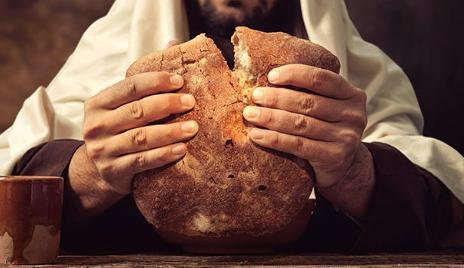
The concept of Jesus Christ as the Bread of Life is a profound and rich theme that resonates deeply within Christian theology. This idea highlights Jesus as the source of spiritual sustenance and life, emphasizing the importance of faith, communion, and a living relationship with Him. In Christian art, this theme is also often expressed through religious paintings, church decorations, and jesus christ sculptures, where the image of Christ becomes a visible reminder of His divine provision and saving love.
Understanding the Significance of the Bread of Life
In the Gospel of John, Jesus proclaims, “I am the bread of life” (John 6:35). This statement not only identifies Him as the essential nourishment for spiritual health but also signifies a deeper relationship between Him and believers. Just as physical bread sustains our bodies, Jesus offers spiritual life that fulfills and nourishes the soul. This metaphor reflects the biblical understanding that spiritual life cannot be sustained by material means alone; it relies on a relationship with Christ.
The Bread of Life imagery also serves to illustrate the idea of sacrifice. When Jesus speaks of providing this bread, He alludes to His impending crucifixion, where His body will be broken for the salvation of humanity. This sacrificial act is the ultimate provision for our spiritual needs, reinforcing that He is the center of our faith and the source of eternal life. Through acceptance of Him, believers find wholeness, purpose, and transformation. Many jesus christ sculptures depicting the crucifixion or the compassionate Christ visually echo this message, helping believers reflect on His sacrifice in a tangible and devotional way.
Reflect on how bread sustains your physical body and relate it to your spiritual needs.
Consider the connection between Jesus’ sacrifice and your own relationship with Him.
Engage in prayer, asking for deeper understanding of what it means to partake in the Bread of Life.
Read and meditate on John 6:35 to draw personal insights.
The Role of Communion in Experiencing the Bread of Life
Communion, or the Eucharist, is a critical sacrament in Christianity that underscores the concept of Jesus as the Bread of Life. This observance involves partaking in bread and wine, symbolizing the body and blood of Christ. It is both a remembrance of Jesus’ sacrifice and a celebration of the new covenant established through His death and resurrection. This sacred act allows believers to experience unity with Christ and their fellow believers, reinforcing the community aspect of faith.
Participation in communion serves as a tangible reminder of the spiritual nourishment that comes from Christ. It provides an opportunity to reflect on one’s faith journey, express gratitude, and seek forgiveness. Many find that this practice rejuvenates their spiritual life, leading to deeper intimacy with God. It’s a powerful moment of acknowledgment that Jesus continually provides for our deepest needs, both physically and spiritually. In churches, chapels, prayer gardens, and memorial spaces, jesus christ sculptures can also support this sacred atmosphere, creating a quiet visual focus for worship, remembrance, and personal devotion.
Participate regularly in communion to deepen your relationship with Christ.
Use the communion experience as a time for self-reflection and reconciliation.
Invite family or friends to join you for this significant sacrament.
Keep a journal to record insights and emotions experienced during communion.
Practical Steps to Live Out the Bread of Life in Daily Life
Embracing Jesus as the Bread of Life goes beyond belief; it requires practical application in everyday life. One way to embody this principle is to seek daily nourishment through prayer, scripture reading, and worship. By incorporating these practices, you allow Jesus’ teachings and love to guide your actions and decisions, impacting how you relate to others and face challenges.
Moreover, sharing this spiritual sustenance with others is equally important. Acts of service, love, and compassion can reflect the essence of the Bread of Life. By allowing Christ’s love to flow through you, you can become a source of nourishment for those around you, fulfilling Christ’s command to love and serve others as He did. For many Christian communities, devotional art and jesus christ sculptures are not only decorative elements but also meaningful expressions of faith, encouraging people to remember Christ’s presence in daily life and to share His love with others.
Set a daily time for spiritual reflection through prayer and scripture reading.
Consider volunteering with a local charity to serve those in need.
Encourage others to explore their faith and relationship with Christ.
Practice gratitude and share blessings with your community.
In conclusion, recognizing Jesus as the Bread of Life is a transformative journey that enhances both personal faith and communal connections. By understanding His role in our lives and actively engaging in practices that nurture this relationship, we can grow spiritually and share that nourishment with others. Whether through prayer, communion, acts of service, or the contemplative presence of jesus christ sculptures in sacred spaces, believers are continually invited to receive Christ as the true Bread of Life and to reflect His grace in the world.