
The concept of the Messiah holds significant importance in various religious traditions, primarily within Judaism and Christianity. While interpretations differ, the idea of a savior or redeemer is a common thread that ties together many faiths and cultures. This blog post aims to explore who the Messiah is, the characteristics attributed to this figure, and the implications for believers.
1. The Biblical Foundations of the Messiah
In the Hebrew Bible, the Messiah, or “Mashiach,” is seen as a future king from the Davidic line who will be anointed and tasked with bringing peace and restoration to Israel. Key prophets like Isaiah and Jeremiah detail expectations of this anointed one who would lead the people back to God, restore righteousness, and rebuild the Temple in Jerusalem. For instance, Isaiah 11:1-10 describes a figure who will reign with justice and mercy, ushering in an era of universal peace.
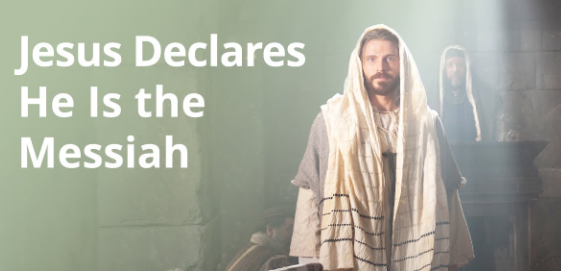
In Christianity, Jesus Christ is identified as the Messiah, fulfilling Old Testament prophecies. Christians believe that Jesus’ life, death, and resurrection accomplished God’s plan for salvation. The New Testament frequently references Old Testament passages to illustrate how Jesus embodies the fulfillment of messianic prophecies, emphasizing his role as savior and redeemer for all humanity through faith.
-
- Read Isaiah 11 to understand Jewish expectations of the Messiah.
-
- Explore the New Testament for references that connect Jesus to messianic prophecies.
-
- Look for additional interpretations through scholarly articles or religious teachings.
-
- Discuss the role of the Messiah with religious leaders or knowledgeable individuals.
2. Characteristics of the Messiah Across Traditions
The Messiah’s characteristics can vary widely between religious contexts. In Judaism, the Messiah is expected to be a human leader, well-versed in Torah law and capable of uniting the Jewish people. He is anticipated to bring about world peace, restore Ancient Israel, and gather all Jewish exiles back to the homeland. These expectations highlight a focus on tangible, earthly leadership and governance.
Conversely, in Christianity, the Messiah is often viewed through a spiritual lens. Jesus’ teachings emphasize love, forgiveness, and a personal relationship with God. Instead of a political ruler, Jesus is seen as someone who redeems through sacrifice and offers salvation to all believers, marking a shift from earthly expectations to spiritual salvation and grace.
-
- Make a list of key differences between Jewish and Christian views on the Messiah.
-
- Engage in discussions on how cultural context influences these interpretations.
-
- Reflect on your own beliefs regarding spiritual vs. earthly leadership.
-
- Explore interfaith dialogues that highlight different perspectives on the Messiah.
3. The Impact of Messianic Beliefs on Society
Messianic beliefs shape not only personal faith but also societal norms and expectations. In Judaism, the anticipation of the Messiah encourages a strong sense of hope and a commitment to ethical living. Many Jews engage in acts of social justice and community service, viewing these actions as prerequisites to welcoming the Messiah. The idea that they can help bring about the Messiah motivates individuals to strive for a better world.
Christianity, too, has been deeply influenced by the concept of the Messiah, especially in the days of early church formation. Many Christian denominations emphasize evangelism and community service, as they believe it reflects the love and sacrifice of Jesus. The notion that Jesus returns provides hope, encouraging Christians to stay vigilant and faithful in their everyday lives while cultivating virtues like compassion and kindness.
-
- Participate in community service acts as expressions of faith.
-
- Analyze how these beliefs influence your daily choices and interactions.
-
- Read articles or books on how messianic beliefs affect cultural practices.
-
- Consider attending interfaith workshops to explore shared values.
The role of the Messiah is a multifaceted topic that varies greatly across religious traditions. Whether viewed as a spiritual savior or a political leader, the Messiah represents hope for many. As you reflect on these insights, consider exploring further resources or engaging in discussions to deepen your understanding of this significant figure in various faiths.