
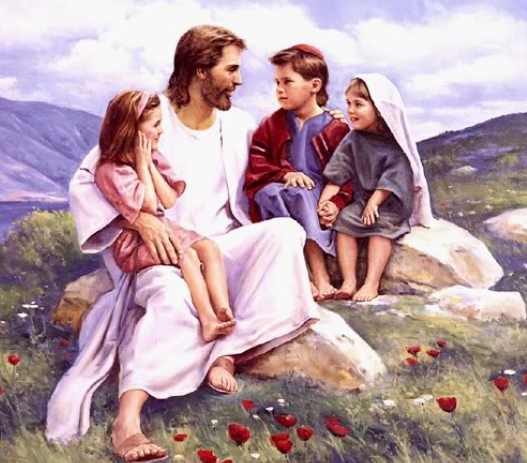
The childhood of Jesus is a topic that enriches our understanding of His life and significance. While the Gospels give us glimpses into His early years, much remains a mystery, inviting curiosity and exploration. These early stories have inspired Christian teaching, sacred paintings, stained glass, nativity scenes, and jesus sculpture, helping believers reflect on humility, wisdom, family, and divine purpose through visual art.
The Birth and Early Life of Jesus
Jesus was born in Bethlehem, in a humble setting surrounded by animals. According to the Gospel of Matthew and Luke, His birth was heralded by angels and celebrated by shepherds. The family’s economic status is also noteworthy; they offered a pair of turtledoves for His purification, indicating that they were not wealthy. This setting highlights a key theme in Christianity: the idea of humility and serving the marginalized.
After His birth, the family fled to Egypt to escape King Herod’s decree to kill young boys, showing an early period marked by danger and divine intervention. This flight underscores the challenges and adversities faced even in His infancy, shaping His early narrative within historical contexts. By returning to Nazareth, where He grew up, Jesus experienced a normal childhood atmosphere, aiding His development as a compassionate future leader. A jesus sculpture depicting the infant Christ, the Holy Family, or the young Jesus can visually express these themes of humility, protection, and divine calling.
- Explore your faith and historical context through reading reliable biblical accounts.
- Discuss with community members the significance of Jesus’ humble beginnings.
- Reflect on how adversity shapes character in your own life.
- Encourage family traditions that emphasize compassion and service to others.
Jesus in the Temple: Early Signs of Wisdom
At the age of twelve, Jesus astounded the religious teachers in the Temple with His understanding and intelligence. This event, described in the Gospel of Luke, offers a rare insight into His maturation and spiritual awakening. His ability to engage with learned scholars implies He possessed an extraordinary intellect and deep spiritual insight, even at such a young age.
The Temple visit not only illustrates Jesus’ early wisdom but also His strong connection to His faith. It showcases His commitment to understanding God’s laws and teachings, a journey that would define His adult ministry. This story encourages individuals to seek wisdom and understanding throughout their own lives, regardless of age. In churches, religious schools, and devotional spaces, a jesus sculpture showing Christ teaching or holding scripture can serve as a meaningful reminder of spiritual curiosity, learning, and divine wisdom.
- Encourage children to ask questions about their beliefs and spiritual teachings.
- Visit historical or religious sites that promote understanding and discussion.
- Involve young people in community discussions about faith and ethics.
- Practice active listening and engaging dialogue in family or group settings.
The Influence of Family and Community
Jesus grew up in a close-knit Jewish community in Nazareth, where family ties and communal traditions played a significant role in His development. His upbringing in a carpenter’s household likely instilled strong values of hard work and dedication. It is noteworthy that despite His divine identity, He embraced His role within this ordinary society, reflecting a balance between divinity and humanity.
The relationship with His earthly family also played a pivotal role. His mother, Mary, and His earthly father, Joseph, provided unconditional love, nurturing, and guidance that shaped His character. Their faith, resilience, and support were essential in creating a strong foundation for Jesus, emphasizing the importance of family influence in spiritual growth. A jesus sculpture placed in a church, chapel, home prayer corner, or family devotional area can reflect this connection between faith, family, and daily spiritual formation.
- Create family rituals that foster love, understanding, and shared values.
- Engage in community activities that strengthen relationships and provide support.
- Teach children the significance of hard work through involvement in family tasks.
- Encourage open discussions about faith within the family setting.
In conclusion, reflecting on Jesus’ childhood offers valuable lessons about humility, wisdom, and family values. Taking steps to nurture these principles in our own lives can lead to deeper personal and communal growth. Whether through scripture reading, family discussion, religious education, or the contemplative presence of a jesus sculpture in a sacred space, these early stories invite believers to seek wisdom, practice compassion, and deepen their faith journey.