
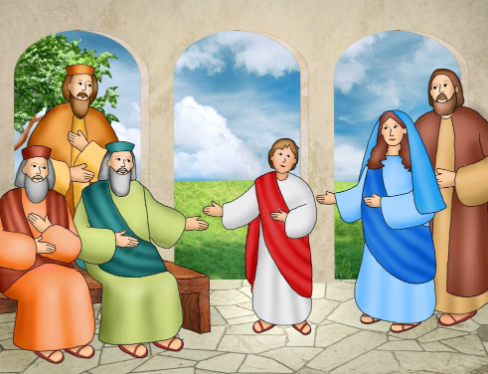
The story of Jesus in the Temple as a child, found in the Gospel of Luke, offers a fascinating glimpse into His early life and showcases His remarkable wisdom and understanding of spiritual matters. This event occurs when Jesus is just twelve years old, yet His actions and insights exhibit a depth far beyond His years, prompting us to reflect on the significance of faith, knowledge, and the importance of seeking understanding. In Christian art, this scene has inspired paintings, stained glass, church decoration, and jesus sculpture, helping believers visualize the young Christ as both a child and a teacher of divine wisdom. Let’s delve into this pivotal moment and explore the messages it imparts.
The Context of the Temple Visit
The Temple visit occurs during the Feast of Passover, a time when Jewish families made pilgrimages to Jerusalem to partake in religious ceremonies. This was an important festival that marked the Israelites’ liberation from Egyptian bondage, making the atmosphere in the Temple vibrant and filled with spiritual significance. Mary and Joseph, following the tradition, took their twelve-year-old son Jesus to Jerusalem for this sacred observance, marking a milestone in His religious upbringing.
This visit was significant, not only because it was a family outing but also because it represented Jesus’s initiation into His cultural and religious heritage. For Jewish boys, turning twelve was traditionally the onset of manhood, and participating in activities like the Passover was a way of understanding their identity within the covenant between God and Israel. The Temple itself was not merely a building; rather, it was the heart of worship, learning, and communal gatherings in Jewish life. A jesus sculpture placed in a church, chapel, or religious school can echo this setting by reminding viewers of Christ’s early connection to worship, scripture, and sacred tradition.
Attend religious festivals to gain deeper insights into your faith.
Engage in community activities that foster spiritual growth.
Encourage family traditions around significant religious observances.
Discuss historical and spiritual contexts with family members.
Jesus’ Engagement with the Teachers
While in the Temple, Jesus astounds the teachers and leaders with His insightful questions and answers. Even at a young age, He displays an extraordinary understanding of scripture and theological concepts. This moment underscores the importance of dialogue in learning; it highlights that asking questions is just as crucial as providing answers. Jesus, in this sacred environment, is not merely a passive observer but an active participant in theological discourse.
This interaction serves as an encouragement for individuals today to engage actively in their faith communities. It emphasizes the power of curiosity and the need for questioning as a pathway to deeper knowledge. The teachers, often considered wise and authoritative figures, are left amazed at Jesus’s knowledge and understanding of the scriptures, and this moment can inspire believers to seek knowledge earnestly in their spiritual journeys. In visual art, a jesus sculpture showing Christ teaching, blessing, or holding scripture can express this theme of wisdom, dialogue, and spiritual learning.
Ask questions about your faith and spiritual practices.
Engage in discussions with knowledgeable individuals in your community.
Read scripture and religious texts critically for better understanding.
Attend lectures or classes on religious studies to broaden your perspective.
The Reaction of Mary and Joseph
When Mary and Joseph finally find Jesus discussing matters in the Temple, their reaction is one of confusion and concern. They had been searching for Him for three days, illustrating the anxiety parents often feel when they cannot locate their children. Upon finding Him, Mary asks, “Son, why have you treated us like this? Your father and I have been anxiously searching for you.” This exchange highlights the natural parental concern for a child’s safety and well-being, even when that child shows remarkable maturity.
Jesus’s response to His mother, “Didn’t you know I had to be in my Father’s house?” reflects the deep connection He felt to God and His mission. This moment serves as a reminder that spiritual priorities sometimes take precedence even over familial obligations. The dynamic between divine calling and parental love can lead to challenging yet essential conversations in our own lives. A carefully designed jesus sculpture in a family prayer area or church interior can also support reflection on this balance between family devotion, spiritual calling, and trust in God’s purpose.
Ensure open communication with your family about important values.
Balance personal spiritual commitments with family responsibilities.
Learn to express priorities clearly to avoid misunderstandings.
Reflect on your own spiritual journey and share it with family members.
The Significance of Jesus’ Early Wisdom
The wisdom exhibited by Jesus during this event signifies that knowledge and spiritual understanding are vital aspects of personal growth. His ability to engage in deep discussions about scripture at such a young age emphasizes the importance of nurturing intellectual curiosity within a spiritual framework. This encourages all individuals, regardless of age, to seek wisdom and understanding throughout their lives.
By highlighting His early wisdom, the story also teaches us to cultivate our gifts and share them within our communities. Jesus exemplifies that spiritual development includes not only personal understanding but also the responsibility to share that knowledge with others. This can be particularly inspiring for youth in today’s world, encouraging them to embrace their insights and contribute positively to their communities. In churches, schools, and devotional spaces, a jesus sculpture can become a meaningful visual reminder that spiritual wisdom is not limited by age, but grows through faith, learning, and openness to God.
Cultivate a habit of reading and learning about your faith regularly.
Encourage others to express their spiritual insights and questions.
Explore mentorship opportunities within your faith community.
Participate in youth programs that promote spiritual learning.
The story of Jesus in the Temple as a child serves as a reminder of the importance of community, curiosity, and the journey of faith. By reflecting on the wisdom of youth and the value of spiritual learning, we can foster a more profound connection to our beliefs and encourage dialogue within our families and communities. Through scripture, family tradition, community learning, and the contemplative presence of a jesus sculpture in sacred spaces, this lesson can inspire believers to seek knowledge and deepen their faith journey today.