
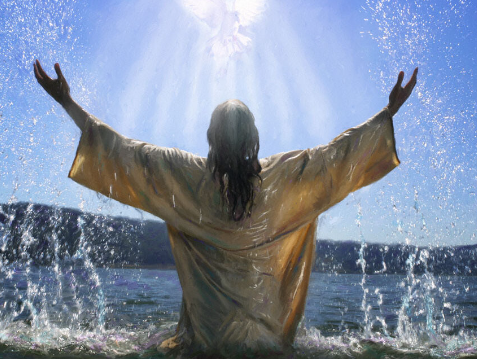
The baptism of Jesus is one of the most significant events in Christian theology, symbolizing the start of His public ministry. Yet, many people wonder why Jesus, who is seen as sinless and divine, would choose to undergo a ritual associated with repentance and purification. In this blog post, we will explore the reasons behind Jesus’ baptism and its implications for believers today.
1. Fulfillment of Righteousness
One of the main reasons for Jesus’ baptism is expressed in the Gospel of Matthew, where Jesus tells John the Baptist, “It is proper for us to do this to fulfill all righteousness.” This indicates that His baptism was not merely a personal act but a significant step in His obedience to God’s will. By participating in this ritual, Jesus was aligning Himself with the prophetic tradition and affirming the importance of baptism as part of His mission on Earth.
Jesus’ baptism serves as a model for Christian believers. It shows that fulfilling God’s righteousness often requires participation in the community of faith and embracing spiritual practices that may seem unnecessary, especially when sin is absent. Jesus, by being baptized, established a precedent that encourages followers to engage in their own spiritual journeys.
-
- Reflect on what fulfilling righteousness means in your life.
-
- Participate in church activities to deepen your faith.
-
- Explore the significance of rituals in your spiritual practice.
-
- Share your understanding of baptism with friends.
-
- Consider how you might fulfill your own spiritual obligations.
2. Identification with Humanity
Another significant aspect of Jesus’ baptism is its emphasis on His identification with humanity. By undergoing baptism, Jesus took on the human experience, demonstrating empathy and solidarity with those He came to save. This act highlights the depth of His incarnation—God becoming man—and His willingness to relate to ordinary people in their struggles for forgiveness and righteousness.
The significance of Jesus’ baptism extends to how it encourages believers to identify with one another. The act symbolizes that no one is beyond the reach of God’s grace, thereby encouraging a community of faith that is inclusive and supportive. When we understand that Jesus identified with our humanity through baptism, it reinforces the call for us to do the same with one another.
-
- Remember that everyone has their own struggles.
-
- Support someone in need of compassion and understanding.
-
- Engage in community service that builds relationships.
-
- Develop a habit of listening deeply to others’ experiences.
-
- Encourage accountability and growth in your faith community.
3. The Launch of His Ministry
Jesus’ baptism marked the commencement of His public ministry. Immediately following His baptism, He was led into the wilderness to be tempted, which was part of the preparation for His mission of teaching, healing, and ultimately sacrificing Himself for humanity. The baptism also served as a moment of divine affirmation as the heavens opened, and the Spirit of God descended like a dove, with a voice declaring Him as God’s beloved Son.
This inauguration of ministry illustrates the importance of spiritual preparation and confirmation for any new journey. For believers today, the call to start a ministry or engage in outreach efforts often requires some form of public declaration, baptism being one of them. Jesus exemplifies that before embarking on a significant path, we often need to clarify our purpose and receive divine affirmation.
-
- Identify your calling or ministry focus.
-
- Seek guidance through prayer and community support.
-
- Look for opportunities to serve in meaningful ways.
-
- Share your journey and goals with trusted friends.
-
- Take the first step, even if it feels daunting.
In summary, the baptism of Jesus serves multiple essential purposes: it fulfills righteousness, identifies Him with humanity, and launches His public ministry. Each of these aspects offers valuable insights for believers today about obedience, empathy, and commitment. If you’re inspired, consider taking the next step in your spiritual journey, whether it’s engaging more deeply with your faith community or reflecting on your own beliefs and practices.