
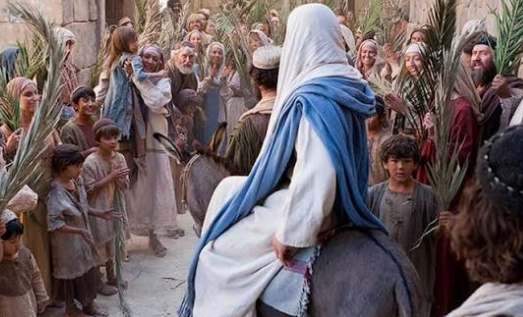
Palm Sunday marks the beginning of Holy Week in the Christian calendar, celebrating Jesus Christ’s triumphant entry into Jerusalem. On this day, crowds welcomed Him with palm branches, signifying victory and peace. This blog post will explore the significance of Palm Sunday, its traditions, and how it is celebrated around the world.
1. The Significance of Palm Sunday
Palm Sunday has profound theological significance as it represents the moment when Jesus publicly declares His kingship, fulfilling ancient prophecies from the Old Testament. By riding on a donkey, He embraced humility and peace, contrasting the expectations of a conquering Messiah. This act set the stage for the events leading to His crucifixion and resurrection, reflecting God’s plan for salvation.
The event is rooted in the Gospels, particularly in Matthew (21:1-11), Mark (11:1-10), Luke (19:28-40), and John (12:12-19). These accounts emphasize the crowd’s enthusiasm, showing both acceptance and expectation. The imagery of palm branches symbolizes victory, while the donkey signifies that Jesus came in peace. This duality invites deeper reflection on the nature of His mission.
-
- Reflect on the symbolism of the palm branches.
-
- Read the Gospel accounts of the Triumphal Entry.
-
- Consider how Jesus’s humility contrasts modern expressions of power.
-
- Engage in discussions about the importance of peace in leadership.
2. Traditions Surrounding Palm Sunday
Different Christian denominations have unique traditions to commemorate Palm Sunday. Many churches distribute palm leaves to congregants as a tactile reminder of the day’s significance. These palms are often woven into crosses, later to be burned for Ash Wednesday the following year. Each tradition enriches the spiritual experience surrounding this important event.
Apart from palm distribution, many congregations hold parades or processions. Participants often sing hymns and chant praises, echoing the ancient cries of “Hosanna.” These processions create a communal atmosphere that helps believers connect with the historical event and its meaning in their faith. Churches also often decorate their altars with palm branches and flowers, creating a vibrant setting for worship.
-
- Check your local church for Palm Sunday services.
-
- Participate in a procession to engage fully with the tradition.
-
- Craft palm crosses to take home as reminders.
-
- Incorporate hymns and prayers into your personal worship at home.
3. How Palm Sunday Prepares for Holy Week
Palm Sunday serves as a pivotal launch into Holy Week, urging Christians to reflect on the events leading up to Easter. The week includes significant days such as Maundy Thursday, which commemorates the Last Supper, and Good Friday, marking the crucifixion of Jesus. Each day corresponds to important themes of sacrifice, love, and redemption.
The transition from celebration to solemn observance throughout the week emphasizes the depth of Jesus’s journey. Services during Holy Week often involve additional readings, communal prayers, and special rituals that help congregants prepare their hearts and minds for Easter. Participating in these observances allows believers to experience the gravity of the resurrection and the profound love expressed through Jesus’s sacrifice.
-
- Plan to attend services throughout Holy Week.
-
- Daily reflections can help center your thoughts on the events leading to Easter.
-
- Engage with materials that discuss the significance of each day.
-
- Consider fasting or prayer as a way to deepen your spiritual experience.
In conclusion, Palm Sunday is not merely a historical event but a profound invitation into a deeper relationship with Christ. As you engage with the traditions and teachings of this day, consider taking meaningful steps during Holy Week to deepen your faith and understanding. Whether through service, reflection, or community, let this time prepare you for a transformative Easter experience.