
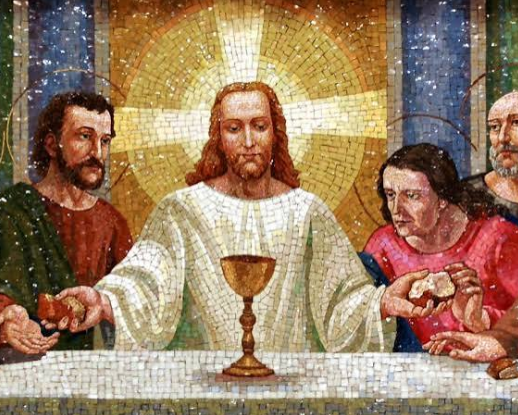
The Last Supper is one of the most iconic events in Christian history, symbolizing Jesus Christ’s final meal with his disciples before his crucifixion. This gathering encapsulates profound themes of sacrifice, communion, and love. Understanding the significance of this event can deepen one’s appreciation for Christian teachings and practices.
1. The Historical Context of the Last Supper
The Last Supper took place during the Passover festival, a time when Jews commemorated their deliverance from slavery in Egypt. This annual festival brought together families for a ritual meal, making it a perfect backdrop for Jesus to institute a new covenant. Historical texts suggest that the meal occurred in an upper room in Jerusalem, emphasizing intimacy and fellowship among Jesus and his disciples.
This event is crucial not only for its spiritual significance but also for its historical context. It was a time of great tension in Jerusalem; many Jews were hoping for a messiah who would liberate them from Roman rule. Jesus’s teachings were revolutionary, and his growing popularity drew both followers and critics, leading to the momentous decisions made by religious leaders to arrest him.
-
- Research the Jewish Passover traditions to better understand the significance of the Last Supper.
-
- Explore historical texts and interpretations for more insight into this period.
-
- Consider how the context of Roman rule influenced Jewish life and early Christianity.
-
- Look into the geographic setting of Jerusalem during this time.
2. The Symbolism of the Last Supper
During the Last Supper, Jesus broke bread and shared wine with his disciples, symbolizing his body and blood. This act initiated the practice of Communion, or Eucharist, in Christian tradition, marking an essential ritual in many denominations. The bread and wine represent a new covenant between God and humanity, emphasizing themes of sacrifice and redemption.
Furthermore, each element of the meal carries a significant weight of symbolism. The act of washing the disciples’ feet demonstrates humility and servitude, as Jesus modeled the importance of service to others. These symbols encourage Christians to reflect on their own lives and their relationships with God and fellow beings.
-
- Participate in a Communion service to experience this spiritual practice firsthand.
-
- Reflect on the meanings of the bread and wine in your personal faith journey.
-
- Consider how humility can be practiced in daily life.
-
- Discuss the symbolism of the Last Supper with community members or in a Bible study group.
3. Cultural Depictions and Influence of the Last Supper
The Last Supper has been depicted in countless works of art, literature, and cinema, highlighting its influence on culture. One of the most famous representations is Leonardo da Vinci’s mural, which captures the dramatic moment when Jesus announces that one of his disciples will betray him. This artwork not only conveys emotion but also provokes thought about themes of faith, betrayal, and divine purpose.
Moreover, the theme of the Last Supper has transcended beyond religious confines, inspiring discussions about ethics, morality, and human relationships. Films and books that explore similar themes of sacrifice and love often reference this iconic moment. Whether in academic studies or popular media, the Last Supper prompts reflection on the deeper meanings of connection and community.
-
- Visit a museum or gallery featuring works of art inspired by the Last Supper.
-
- Read literature or watch films that explore themes related to sacrifice and community.
-
- Engage in discussions on the impact of the Last Supper in contemporary culture.
-
- Consider creating your own artwork or writing inspired by this event.
In conclusion, the Last Supper represents a defining moment in Christian history, rich with meaning and significance. By exploring its historical context, symbolism, and cultural influence, you can gain a deeper understanding of its implications in faith and everyday life. Consider engaging more deeply with these themes through study, reflection, or community discussion.