
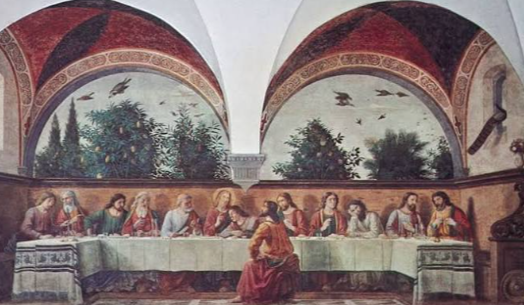
The Last Supper, painted by Leonardo da Vinci in the late 15th century, remains one of the most iconic works of art in history. This piece not only depicts a significant moment in Christianity but also showcases da Vinci’s masterful technique and deep understanding of human emotion. In this post, we’ll explore the context, symbolism, and legacy of The Last Supper to understand its enduring impact.
1. Historical Context of The Last Supper
Leonardo da Vinci was commissioned to create The Last Supper in 1495 for the refectory of the Convent of Santa Maria delle Grazie in Milan. This historical setting plays a crucial role in the artwork’s conception and execution. Da Vinci was tasked with creating a mural that would inspire the monks during their meals, reminding them of Jesus’s last moments with his disciples. Understanding this context enriches our appreciation of the painting.
The Last Supper captures the moment just after Jesus reveals that one of his disciples will betray him. The emotional response from each disciple is palpable, depicted through varying expressions of shock and confusion. Da Vinci carefully considered placement to convey movement and unity, linking each figure to Jesus in a zigzag formation that draws the viewer’s eye toward the central figure. This meticulous planning reflects da Vinci’s innovative approach to composition.
-
- Research the history of the Convent of Santa Maria delle Grazie.
-
- Examine how religious art was used in medieval times.
-
- Explore Leonardo’s life during the time he painted The Last Supper.
-
- Familiarize yourself with the cultural significance of the painting’s themes.
2. Symbolism and Composition in The Last Supper
The Last Supper is rich in symbolism, making each element meaningful beyond its visual appeal. For instance, the positioning of the disciples serves a purpose; they are grouped in threes, highlighting their varying reactions to the news of Jesus’s betrayal. Judas Iscariot is depicted as reaching towards a bowl, symbolizing his role as the betrayer, while the subtle inclusion of a spilled salt container at his elbow further enhances the theme of betrayal.
Furthermore, da Vinci’s use of light and shadow, or chiaroscuro, creates a dramatic effect that emphasizes the emotional tension of the moment. The way Jesus is framed by an architectural backdrop, with light illuminating his figure, signifies his importance as the focal point of the narrative. This deliberate composition invites viewers to contemplate both the physical and spiritual aspects of the scene.
-
- Identify key symbols in the painting and their meanings.
-
- Analyze the gesture and expressions of each disciple.
-
- Reflect on how light and shadow influence the overall impact of the work.
-
- Consider the architectural elements and how they enhance the composition.
3. The Last Supper’s Legacy and Influence
Since its completion, The Last Supper has influenced countless artists and has been reproduced in various forms. The painting’s themes of betrayal, compassion, and sacrifice resonate with viewers across cultures and generations. It has been referenced in literature, film, and even modern art, demonstrating its power to evoke emotional responses.
Moreover, The Last Supper has faced challenges over the years, including deterioration due to da Vinci’s experimental technique, which involved tempera on stone rather than traditional fresco. Restoration efforts have brought the painting back to life several times, allowing new audiences to experience its majesty. The ongoing care for the mural underlines its significance and the dedication to preserving art for future generations.
-
- Seek out modern interpretations or adaptations of The Last Supper.
-
- Explore how different cultures have responded to the painting.
-
- Consider making a visit to see the artwork in person.
-
- Participate in discussions or forums about its lasting impact.
In conclusion, understanding The Last Supper requires more than a mere viewing; it entails appreciating its historical context, symbolism, and legacy. Whether through formal study or personal reflection, engaging with this artwork can deepen your appreciation for art and its role in storytelling. Take the next step by visiting an art gallery or reading more about art history to explore similar masterpieces.