
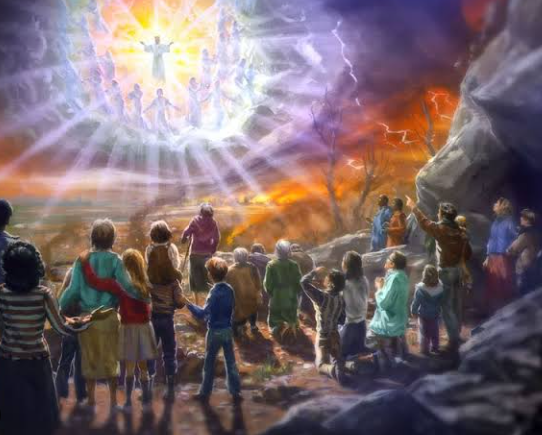
The Second Coming of Jesus is a pivotal topic in Christian eschatology that has captivated believers and scholars alike for centuries. This anticipated event promises to bring transformative changes to the world and humanity, forming a cornerstone of Christian faith. Understanding its meaning and implications can inspire hope and reinforce the commitment to spiritual growth.
1. What Does the Second Coming Entail?
The Second Coming, often called the Parousia, refers to the prophesied return of Jesus Christ to Earth. Christians believe that this event will fulfill biblical prophecies found in both the Old and New Testaments, signifying the end of the current age and the establishment of God’s Kingdom. Key scriptural references include Matthew 24:30, which describes Jesus appearing in the clouds with power and great glory, and Revelation 1:7, proclaiming His return will be visible to all.
Moreover, the nature of the Second Coming varies among Christian denominations. Some view it as a literal event in which Jesus comes to reign physically on Earth, while others interpret it symbolically, viewing it as a spiritual awakening or renewal within individuals. Regardless of interpretation, the central message remains the same: believers hope for redemption and reconciliation with God.
-
- Study the biblical passages related to the Second Coming.
-
- Engage in discussions with fellow believers for diverse perspectives.
-
- Reflect on your own beliefs and expectations regarding the event.
-
- Participate in church teachings or seminars focusing on eschatology.
2. Signs of the Second Coming
Many Christians believe that certain signs will precede the Second Coming of Jesus. These signs, drawn from various biblical texts, include natural disasters, wars, and moral decay. For example, Matthew 24:6-8 mentions that there will be “wars and rumors of wars,” suggesting a period of turmoil before His return. This idea serves not only as a warning but also as a call to preparedness for the faithful.
In addition to external signs, believers also emphasize the importance of spiritual readiness. This involves strengthening one’s faith, living according to biblical principles, and fostering a community of fellow believers. The urgency of preparing one’s heart and mind is highlighted in passages like Luke 21:36, which urges vigilance and prayer as the Day approaches.
-
- Stay informed about current events in light of biblical prophecy.
-
- Examine your inner spiritual state regularly.
-
- Build strong relationships within your faith community.
-
- Develop a routine of prayer and reflection to enhance your spiritual readiness.
3. Living in Anticipation of the Second Coming
Living with the expectation of Jesus’ return can significantly impact how individuals lead their lives. Many Christians find that this anticipation encourages them to focus on virtues such as compassion, love, and service to others. The notion that Jesus could return at any moment prompts believers to evaluate their actions and choices, fostering a sense of urgency in their spiritual journey.
Additionally, being proactive in one’s spiritual life often leads to a more profound sense of purpose. This may involve engaging in community service, sharing one’s faith with others, and being a beacon of hope in difficult times. Such actions not only prepare individuals for Christ’s return but also strengthen their faith and commitment to living out Christian values in everyday life.
-
- Actively participate in community service projects.
-
- Share your faith stories with friends, family, or strangers.
-
- Set personal and spiritual goals that align with biblical teachings.
-
- Encourage others to live a faith-driven life.
In conclusion, the Second Coming of Jesus presents both a profound message of hope and a challenge for believers to live authentically in anticipation of this event. By equipping oneself with knowledge and acting on that understanding, individuals can foster a meaningful spiritual journey in preparation for the future. Take time to explore your beliefs and consider your next steps in growth and community engagement to stay connected with your faith.